
Demystifying the Professional Chimney Inspection Process
Opening your door to a contractor for a chimney repair estimate can sometimes feel intimidating, especially if you are unsure what a thorough evaluation actually entails. A proper estimate isn’t a quick two-minute glance up at your roof from the driveway, followed by a generic number written on the back of a business card. Professional chimney diagnostic estimates are rigorous technical assessments that combine visual evaluation, mechanical testing, and video flue scanning to map out the exact condition of your heating stack. Knowing what a legitimate, comprehensive estimate looks like helps you ask the right questions, spot red flags, and make confident decisions about your property’s safety and value.
Level 1 versus Level 2 Diagnostic Inspections
A professional estimate starts by determining the right inspection level, as defined by National Fire Protection Association standards. A Level 1 inspection is a baseline visual check of readily accessible interior and exterior components, suitable for systems that have performed flawlessly without recent changes. However, if you are experiencing leaks, drafting issues, or preparing for an repair estimate, a Level 2 inspection is required. During a Level 2 check, technicians lower specialized high-resolution cameras down the entire length of the flue. This camera reveals hidden structural defects like cracked flue tiles, missing mortar joints, creosote glaze accumulation, and interior masonry decay that you can’t see from above or below with the naked eye.
Identifying Hidden Structural Flaws and Thermal Hazard Risks
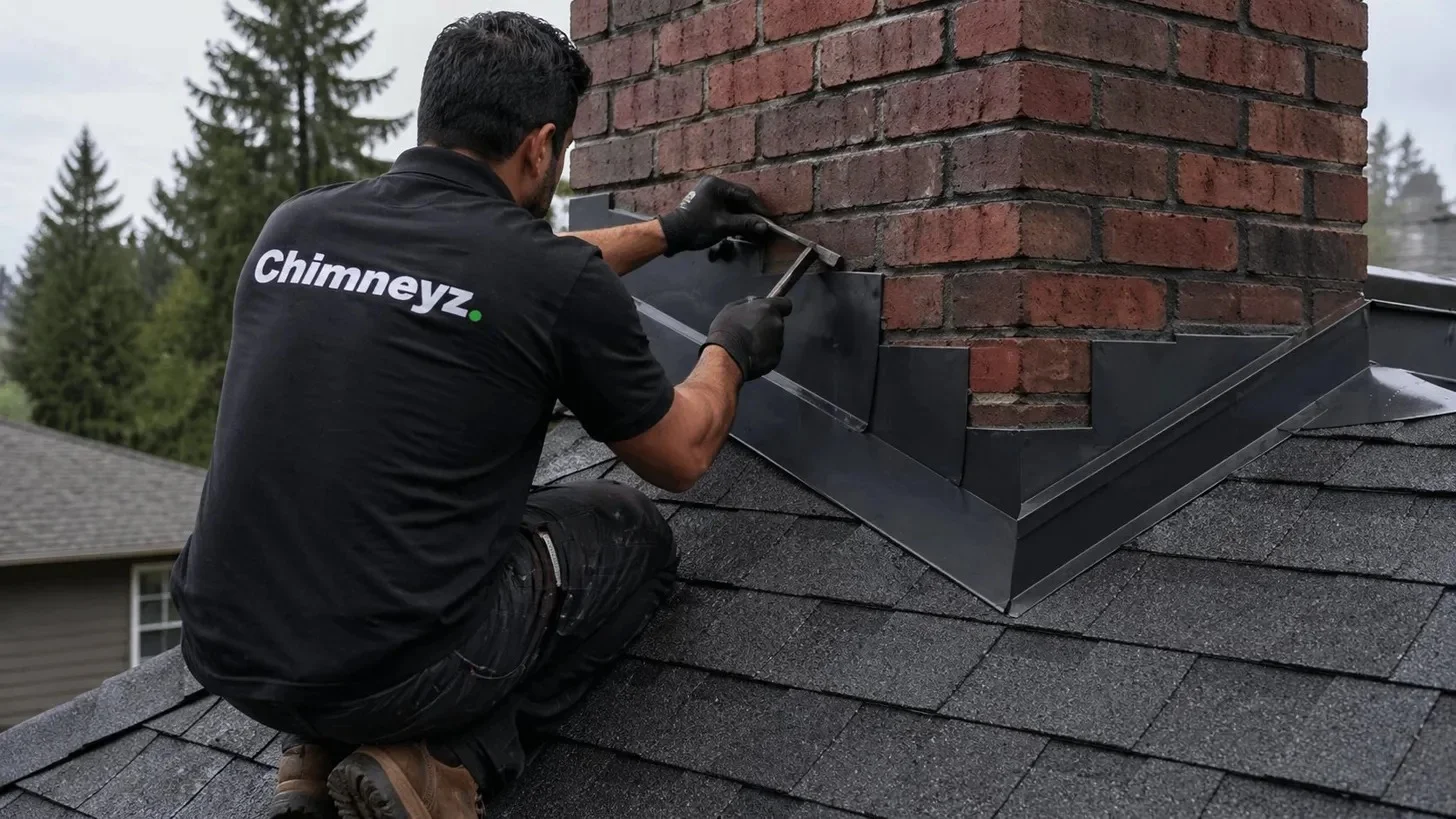
During the diagnostic phase, an expert technician meticulously evaluates four primary structural zones: the roof penetration and flashing assembly, the upper exterior stack and concrete crown, the internal flue lining system, and the interior firebox with its throat damper mechanics. On the roof, we look for rusted chase covers, deteriorating mortar joints, and separated counter flashing. Inside the house, we check for clearances to combustible framing, soot staining, dampness, and refractory wall deterioration. Clear, high-resolution photos document these findings, so you see exactly what the technician sees and remove guesswork from the diagnostic equation.
Translating Technical Scope into Actionable Line Items
After the physical inspection, your technician should provide a detailed, written estimate that breaks the scope of work into clear, itemized line items. Instead of generic catch-all phrases like “chimney repair,” a professional quote clearly outlines specific procedures and material specifications. You should expect to see details such as diamond-blade mortar joint grinding depth, specified lime-mortar mix types, stainless steel flashing gauge and alloy ratings, elastomeric crown membrane application thicknesses, and precise flue liner dimensions. This transparent breakdown shows exactly where your investment goes and ensures both parties share the same expectations for project execution. For transparent pricing and estimates on your upcoming hearth or masonry project, consult qualified technicians who prioritize honest, clear communication.
Spotting Red Flags in Generic or Vague Quotes
Knowing what not to see on an estimate is as important as knowing what to look for. Beware of door-to-door door sweeps or low-ball estimates offering “cheap chimney fixes” or blanket over-coatings without a documented video inspection. Scammers often use scare tactics about instant collapse or offer quick-fix spray sealants that trap moisture inside bricks and accelerate structural decay. A reputable estimate includes photographic evidence, clear diagnostic explanations, proof of licensing and liability insurance, and written warranty terms, without pressuring you into an on-the-spot decision.
Making Informed Decisions for Home Safety and Value
A transparent, itemized chimney repair estimate provides a detailed roadmap to restore your home heating system’s structural integrity, thermal efficiency, and long-term safety. By insisting on thorough Level 2 video diagnostics, photographic proof of defects, and explicit material specifications, you safeguard your investment and avoid predatory contractor practices. Never compromise on structural heat and exhaust containment in your home. Contact a licensed hearth and masonry diagnostic specialist today to receive a comprehensive, transparent repair estimate tailored to your property.

