







Home services
Open Sheet →Making Water Work Better: Practical Ideas for Pools, Drainage, and Rainwater
Water can make a property more comfortable, attractive, and functional, but only when it’s managed properly. A swimming…

Craftora Home turns repairs, renovation, maintenance and design into a cleaner editorial system with strong visual hierarchy and practical next steps.
Contextual related reading and a clean path through each article.
All 13 categories use real category post images where available, with bundled fallbacks.

Contextual internal links, strong article width and a clean reading flow without sidebar clutter.
Open feature sheet →Recent repair, renovation and design intelligence.
Water can make a property more comfortable, attractive, and functional, but only when it’s managed properly. A swimming…

Water plays a bigger role in our daily lives than we often realize. At home, it keeps showers…

Most of us manage money from the sofa now. Banking, budgeting and trading apps sit on the same phone or laptop the whole family uses. A few simple home habits make these accounts much harder to compromise. Use separate user profiles On shared computers and tablets, create a separate profile for each person. This keeps saved passwords, browser sessions and app logins private and prevents a child accidentally placing a trade or a payment. Strong passwords and a password manager Use a unique password for every financial account. A password manager makes this easy and helps you spot fake login pages, because it will not autofill on the wrong domain. Turn on two-factor authentication An authenticator app is safer than SMS. Enable it on email first, since email is the key to resetting everything else. Secure the home network Prepare documents before you sign up Trading and payment platforms usually ask for ID and proof of address. Scan them once, store them in an encrypted folder and only upload through the official app or website. If you are planning to open an account, a guide on how to sign up on Pocket Option shows the verification steps in advance so you are not rushing to find documents later. Talk to the family about scams Teenagers and older relatives are frequent targets of “investment opportunities” on social media. Agree a simple household rule: nobody sends money or shares codes because of a message, call or advert without checking with someone else first. Final checklist
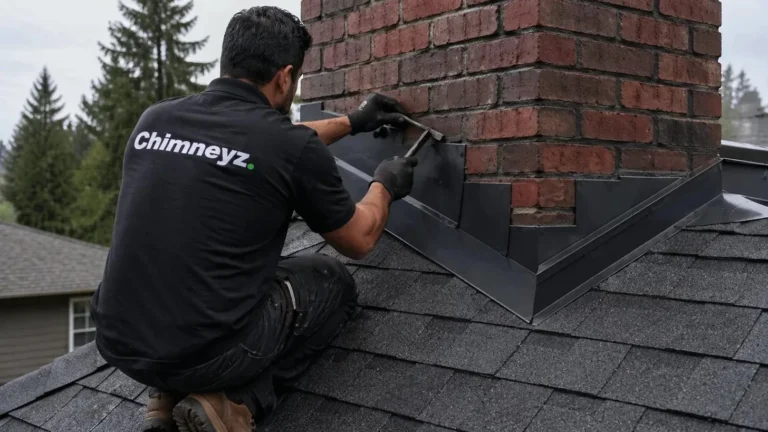
Demystifying the Professional Chimney Inspection Process Opening your door to a contractor for a chimney repair estimate can sometimes feel intimidating, especially if you are unsure what a thorough evaluation actually entails. A proper estimate isn’t a quick two-minute glance up at your roof from the driveway, followed by a generic number written on the back of a business card. Professional chimney diagnostic estimates are rigorous technical assessments that combine visual evaluation, mechanical testing, and video flue scanning to map out the exact condition of your heating stack. Knowing what a legitimate, comprehensive estimate looks like helps you ask the right questions, spot red flags, and make confident decisions about your property’s safety and value. Level 1 versus Level 2 Diagnostic Inspections A professional estimate starts by determining the right inspection level, as defined by National Fire Protection Association standards. A Level 1 inspection is a baseline visual check of readily accessible interior and exterior components, suitable for systems that have performed flawlessly without recent changes. However, if you are experiencing leaks, drafting issues, or preparing for an repair estimate, a Level 2 inspection is required. During a Level 2 check, technicians lower specialized high-resolution cameras down the entire length of the flue. This camera reveals hidden structural defects like cracked flue tiles, missing mortar joints, creosote glaze accumulation, and interior masonry decay that you can’t see from above or below with the naked eye. Identifying Hidden Structural Flaws and Thermal Hazard Risks During the diagnostic phase, an expert technician meticulously evaluates four primary structural zones: the roof penetration and flashing assembly, the upper exterior stack and concrete crown, the internal flue lining system, and the interior firebox with its throat damper mechanics. On the roof, we look for rusted chase covers, deteriorating mortar joints, and separated counter flashing. Inside the house, we check for clearances to combustible framing, soot staining, dampness, and refractory wall deterioration. Clear, high-resolution photos document these findings, so you see exactly what the technician sees and remove guesswork from the diagnostic equation. Translating Technical Scope into Actionable Line Items After the physical inspection, your technician should provide a detailed, written estimate that breaks the scope of work into clear, itemized line items. Instead of generic catch-all phrases like “chimney repair,” a professional quote clearly outlines specific procedures and material specifications. You should expect to see details such as diamond-blade mortar joint grinding depth, specified lime-mortar mix types, stainless steel flashing gauge and alloy ratings, elastomeric crown membrane application thicknesses, and precise flue liner dimensions. This transparent breakdown shows exactly where your investment goes and ensures both parties share the same expectations for project execution. For transparent pricing and estimates on your upcoming hearth or masonry project, consult qualified technicians who prioritize honest, clear communication. Spotting Red Flags in Generic or Vague Quotes Knowing what not to see on an estimate is as important as knowing what to look for. Beware of door-to-door door sweeps or low-ball estimates offering “cheap chimney fixes” or blanket over-coatings without a documented video inspection. Scammers often use scare tactics about instant collapse or offer quick-fix spray sealants that trap moisture inside bricks and accelerate structural decay. A reputable estimate includes photographic evidence, clear diagnostic explanations, proof of licensing and liability insurance, and written warranty terms, without pressuring you into an on-the-spot decision. Making Informed Decisions for Home Safety and Value A transparent, itemized chimney repair estimate provides a detailed roadmap to restore your home heating system’s structural integrity, thermal efficiency, and long-term safety. By insisting on thorough Level 2 video diagnostics, photographic proof of defects, and explicit material specifications, you safeguard your investment and avoid predatory contractor practices. Never compromise on structural heat and exhaust containment in your home. Contact a licensed hearth and masonry diagnostic specialist today to receive a comprehensive, transparent repair estimate tailored to your property.

With everyone seeking standout experiences, entertainment now plays a pivotal role in making events—whether live or virtual—truly memorable.…
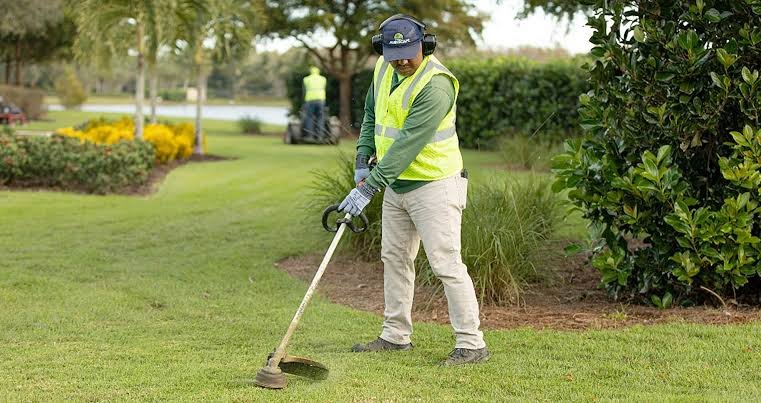
7 Signs You Need Professional Landscaping Services If your lawn has bare spots that won’t bounce back, or puddles that linger long after rain, it’s time to call a professional. Overgrown trees, spreading pests, and mysterious yellowing grass signal problems beyond basic maintenance. When yard work starts taking over your weekends and your home’s curb appeal is suffering, professional landscaping services can help. Keep going to discover all seven warning signs. Your Lawn Won’t Recover No Matter What You Try If you’ve tried watering, fertilizing, and reseeding your lawn but it still looks patchy, yellowed, or bare, it’s time to call in a professional. Persistent lawn problems often signal deeper issues like soil compaction, poor drainage, disease, or pest damage. Without proper diagnosis, you’ll keep throwing money at solutions that don’t work. A professional landscaper identifies the root cause quickly and applies targeted treatments. They’ve access to commercial-grade products and equipment you simply can’t buy at a hardware store. Stop guessing and wasting resources — a professional gets your lawn healthy faster and keeps it that way longer. Drainage Problems Keep Returning After Every Rain Puddles that linger for days, soggy patches that never seem to dry out, and water pooling near your foundation are clear signs your yard has a drainage problem that won’t fix itself. You might redirect water manually or add temporary fixes, but if the problem returns after every rain, your landscape lacks proper grading or drainage infrastructure. Poor drainage damages your foundation, kills grass roots, and creates mosquito breeding grounds. Professionals can assess your yard’s slope, install French drains, regrade soil, or add dry creek beds—solutions that actually eliminate the problem rather than temporarily managing it. Trees and Shrubs Have Grown Out of Control When trees and shrubs overtake walkways, block windows, or brush against your roofline, they’ve moved past a simple trim job. Overgrown plants can damage your foundation, invite pests, and create serious liability risks if heavy branches fall. You might think a weekend with pruning shears will fix it, but improper cuts weaken trees and encourage disease. Professionals assess the plant’s structure, remove dangerous limbs safely, and restore healthy growth patterns. They also identify signs of decay you’d likely miss. If your yard’s vegetation has taken over, calling a landscaping service protects both your property and the plants themselves. Pests and Disease Are Spreading Through Your Yard Yellowing leaves, chewed bark, or patches of dead grass signal that something is quietly destroying your yard. Pests and disease spread fast, and what starts as a small problem quickly overtakes your entire landscape.…

Small home repairs often look simple from the outside. Replace a leaking tap, repaint a damp wall, fix…
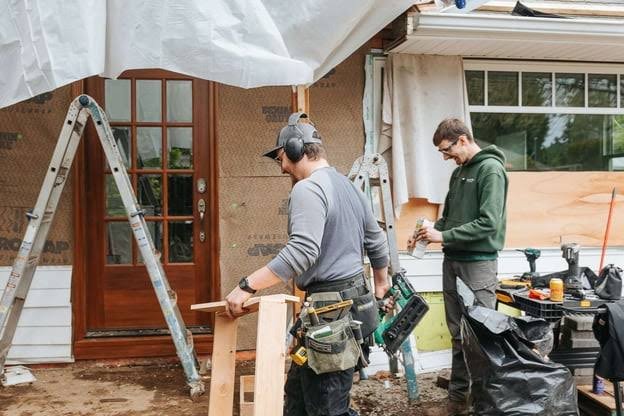
Homeowners planning a major renovation often hear two terms used almost interchangeably: general contractor and design-build firm Both…