Water can make a property more comfortable, attractive, and functional, but only when it’s managed properly. A swimming pool needs balanced water chemistry and dependable circulation. A commercial building may need effective drainage to prevent flooding, while a home or garden can benefit from collecting rainwater instead of letting every drop run straight into the street. These systems serve different purposes, yet they share one important goal: making water easier to manage safely and efficiently.
The right equipment helps, of course. Still, choosing suitable products is only part of the job. Understanding how a system will be used, how much water it must handle, and what maintenance it requires can make a much bigger difference over time.
Creating a Better Swimming Pool and Spa Experience
A swimming pool should be somewhere people can relax, exercise, and spend time together. Nobody wants to arrive on a warm afternoon only to discover cloudy water, weak circulation, or equipment that has stopped working. Regular maintenance helps prevent many of these frustrating situations.
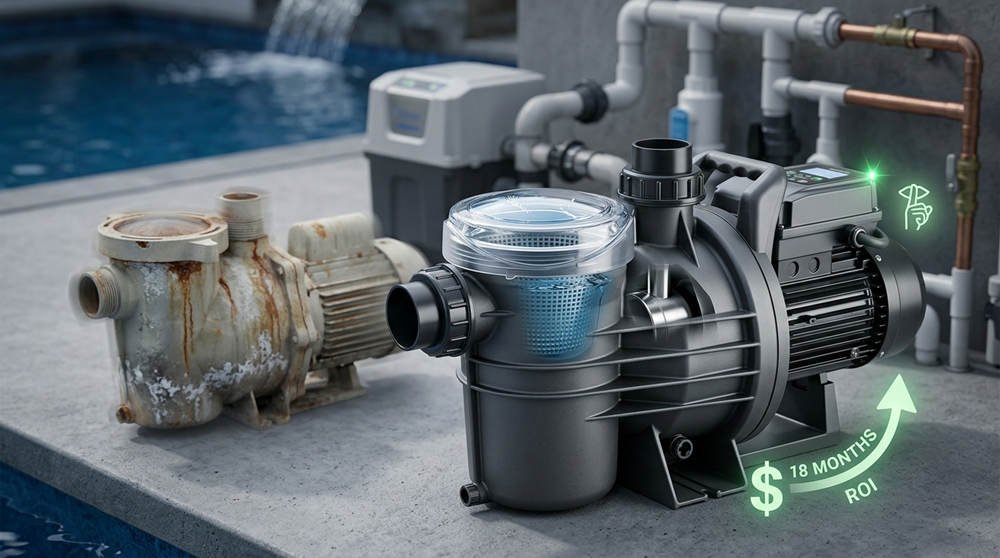
Modern pool & spa equipment includes pumps, filters, heaters, sanitisation systems, automatic cleaners, and controls that help maintain comfortable operating conditions. Each component performs a specific task. Pumps move water through the circulation system, filters capture suspended particles, and sanitisation equipment helps control harmful microorganisms when properly selected and maintained.
The important thing is to choose equipment that matches the pool. A compact residential pool has different requirements from a large commercial swimming facility or a spa with specialised heating needs. Pump capacity, plumbing dimensions, filter size, and the expected number of users all influence the final setup.
Energy efficiency is worth considering, too. Pool pumps can run for several hours each day, so their electricity consumption can add up. Variable-speed pumps may reduce energy use by operating at lower speeds for routine circulation, although the actual savings depend on the installation, settings, and local electricity costs.
It’s tempting to focus on the initial purchase price, especially when several components need replacing. However, a cheaper unit that consumes more electricity or requires frequent repairs may cost more over its lifetime. Compare operating costs, warranties, replacement parts, and service availability before making a decision.
Water Quality Deserves Consistent Attention
Clear water isn’t always properly balanced water. Pools and spas need regular testing because sunlight, rainfall, temperature, and the number of swimmers can all affect water chemistry.
Testing pH and sanitiser levels helps owners make informed adjustments. Filters should be cleaned according to the manufacturer’s instructions, and circulation equipment needs periodic inspection. A pool cover can also help reduce evaporation and keep leaves and other debris out of the water.
Spas require particular care because warm water can encourage faster microbial growth under unsuitable conditions. Follow the manufacturer’s guidance for sanitiser levels, cleaning, water replacement, and filter maintenance. Public or commercial facilities may also need to follow specific health regulations.
If the water becomes cloudy, develops an unusual smell, or causes irritation, don’t assume that adding more chemicals will automatically fix it. Check the readings, inspect circulation, and identify the underlying issue before treating the water. When the cause isn’t clear, a qualified pool technician can help.
Why Drainage Equipment Matters
While pool equipment helps keep water useful and enjoyable, drainage systems deal with water that needs to move away from a particular area. This becomes especially important in basements, parking garages, construction sites, factories, and buildings with low-lying utility spaces.
Heavy rainfall, leaking pipes, groundwater seepage, and equipment failures can all lead to unwanted water accumulation. Even a few centimetres of standing water can damage stored goods, interrupt business operations, or create slip hazards. In some situations, prolonged moisture can contribute to mould growth and deterioration of building materials.
The appropriate drainage setup depends on the type and volume of water involved. A small sump pump may be suitable for occasional groundwater seepage in a basement, while a commercial facility may need a more robust system designed for larger flows and demanding operating conditions.
Choosing Pumps and Controls for Wastewater
Wastewater often contains suspended solids, fibres, grease, or other materials that make ordinary water-transfer equipment unsuitable. The pump must be designed for the actual liquid and the conditions in which it will operate.
Well-designed waste water pumps & controls can help move wastewater through drainage networks, collection pits, treatment facilities, and other applications. Depending on the installation, the system may use level sensors, float switches, alarms, control panels, and automatic backup arrangements.
Before selecting a pump, consider the expected flow rate, discharge height, pipe length, solids-handling requirements, and the possibility of corrosive substances. A pump designed for relatively clean water may clog or wear prematurely if it’s used for wastewater containing debris.
Controls matter just as much as the pump itself. Automatic level controls can activate equipment when water reaches a specified point and stop it once the level falls. High-level alarms provide an additional warning if the system cannot keep up with incoming water. For facilities where flooding would cause significant damage, backup power or a standby pump may be worth evaluating.
Routine inspections should include checking alarms, cleaning collection pits where appropriate, and looking for unusual noise, vibration, or repeated cycling. Wastewater systems can involve biological hazards and confined spaces, so cleaning and repairs should be handled using suitable safety procedures by trained personnel.
Making Better Use of Rainwater
Rain is often treated as something to get rid of quickly, particularly when gutters overflow or water collects around a building. Yet, with sensible planning, rainfall can become a useful resource rather than a recurring problem.
Effective rainwater management begins with understanding where water falls and where it flows. Roofs, paved driveways, lawns, and garden beds each handle rainfall differently. Hard surfaces generally allow less water to soak into the ground, increasing runoff during heavy showers.
A rainwater harvesting system can collect water from suitable roof surfaces and direct it into a storage tank. Depending on local regulations and the intended use, collected water may be suitable for garden irrigation, washing outdoor areas, or other non-drinking purposes. Appropriate screens, first-flush arrangements, covered storage, and regular cleaning can help maintain its quality.
Rainwater should not automatically be considered safe to drink. Roofs and gutters may introduce bird droppings, dust, metals, and other contaminants. Potable use requires suitable treatment, testing, and compliance with local health requirements.
Not every property needs a large storage tank. A rain barrel may be enough for watering a small garden, while a larger property could benefit from a professionally designed harvesting system. In either case, overflow needs a safe route so that excess water doesn’t undermine foundations or flow into neighbouring properties.
Preventing Water Problems Before They Start
The best time to think about water management is before a pump fails or a storm exposes a drainage weakness. Inspect gutters and downpipes, check outdoor drains for blockages, and make sure the ground slopes away from building foundations wherever practical. Pool owners should keep maintenance records, while commercial operators should establish clear inspection schedules for pumps and controls.
It also helps to understand local weather patterns. Properties exposed to intense seasonal rainfall may need a different drainage strategy from those in areas where water shortages are more common. Planning should account for both extremes: managing excess water during storms and conserving available water during dry periods.
A Practical Investment in Long-Term Reliability
Pools, wastewater systems, and rainwater collection may seem like separate subjects, but all depend on good planning and suitable equipment. The right setup improves reliability, reduces avoidable waste, and can help protect buildings and outdoor spaces from water-related damage.
Start by identifying your property’s needs rather than buying equipment based on price or appearance alone. Ask qualified professionals to assess capacity, installation conditions, safety requirements, and maintenance costs. With regular care and a little forward planning, water becomes much easier to manage—and far less likely to create an expensive surprise.