
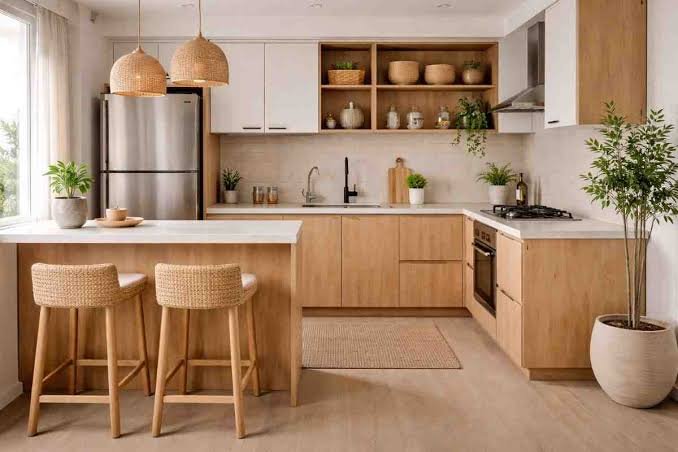
Sometimes, a home that once felt perfect starts feeling a little less practical. The kitchen becomes crowded whenever guests visit, storage seems to disappear overnight, and rooms that previously served a purpose no longer suit your daily routine.
It doesn’t necessarily mean you need to move. Perhaps your home simply needs to evolve alongside you.
Renovating offers an opportunity to rethink familiar surroundings, improve functionality, and introduce fresh design ideas without losing the character that makes a property special.
Whether you’re updating a single room or transforming an entire house, thoughtful planning can make the difference between a renovation that merely looks different and one that genuinely improves everyday life.
Looking at Your Home With Fresh Eyes
Before tearing down walls or ordering new furniture, spend some time observing how you currently use your home. Which rooms feel comfortable? Where do you experience unnecessary inconvenience? Are there spaces that rarely get used?
Successful remodels often begin with these straightforward observations rather than elaborate decorating ideas.
Imagine a family with a formal dining room that remains empty most of the year. Meanwhile, everyone squeezes around a small kitchen table for meals, homework, and conversations. Reconsidering the relationship between those two rooms could make the home considerably more practical.
Sometimes, relatively modest architectural changes can transform the way a property functions.
Other situations might require more extensive improvements involving flooring, cabinetry, lighting, or structural modifications.
The important thing is identifying what needs to change and understanding why. Renovation decisions should solve actual problems rather than simply follow fashionable design trends.
Bringing Creativity and Practicality Into Renovation Planning
There’s something exciting about imagining how a familiar room could look completely different. However, transforming that vision into reality involves a fair amount of practical decision-making.
Professional interior design for renovations brings together space planning, material selection, architectural details, color schemes, and furnishings to create a cohesive environment.
Consider an older property with beautiful original woodwork but an awkward living room layout. Rather than removing everything and starting again, a designer might preserve those architectural features while introducing contemporary furniture and improved lighting.
This combination can give a home an appealing balance between old and new.
Budget considerations also deserve attention from the beginning. Spending heavily on decorative finishes while overlooking essential plumbing or electrical improvements can create difficulties later.
A well-considered design plan helps homeowners establish priorities and make decisions that support the overall vision.
Not everything needs replacing. Sometimes, working creatively with what’s already there produces the most interesting results.
Transforming the Room Where Everyone Naturally Gathers
Despite having beautifully furnished living rooms, many households somehow end up gathering around the kitchen. It’s where morning conversations happen, meals come together, and friends linger long after dinner.
Modern kitchens need to accommodate much more than cooking. Thoughtful layouts, comfortable seating, accessible storage, and practical work surfaces can turn them into welcoming multifunctional spaces.
Start by considering how you prepare meals. Are frequently used utensils within easy reach? Is there enough countertop space? Can someone open the refrigerator without interrupting another person’s cooking?
These seemingly small details influence daily comfort.
A kitchen island might provide additional preparation space and casual seating, but it isn’t necessarily appropriate for every layout. In a narrower room, clever cabinetry and uninterrupted countertops could offer greater functionality.
Lighting deserves particular attention, too. Under-cabinet lighting helps illuminate work surfaces, while pendant fixtures can introduce warmth and visual character.
The best kitchen designs make ordinary activities feel pleasantly effortless.
Choosing Materials That Fit Your Lifestyle
Beautiful finishes can completely change the atmosphere of a renovated home. Natural wood introduces warmth, textured tiles create visual interest, and stone surfaces can bring a sense of understated elegance.
However, appearance shouldn’t be the only consideration.
A homeowner who enjoys cooking regularly may prefer countertops that are relatively easy to maintain. Families with children might appreciate durable flooring that can handle spills and everyday wear.
It’s worth requesting material samples before making final decisions.
A tile that looks wonderful in a showroom might appear considerably darker under your home’s lighting. Similarly, a paint color that seems neutral initially could reveal unexpected undertones once applied to an entire wall.
Take your time with these choices. You’ll probably live with them for considerably longer than the renovation itself.
Keeping the Character of an Older Home
Older properties frequently possess architectural details that are difficult to recreate convincingly. Original fireplaces, decorative moldings, traditional flooring, and unusual window shapes can give rooms distinctive personalities.
Renovating doesn’t mean those features need to disappear.
Pairing contemporary furnishings with traditional architectural elements can create interiors that feel layered and authentic.
An inherited wooden cabinet might look particularly beautiful against a freshly painted wall. Original floorboards could complement modern lighting and understated furniture.
That contrast often makes a room more memorable than an entirely new interior.
Preserving meaningful details can also help homeowners maintain an emotional connection to their property while enjoying improved comfort and functionality.
Preparing for the Unexpected During Renovation
Home improvements rarely unfold exactly according to plan. Hidden plumbing issues, delayed materials, and changing requirements can occasionally interrupt progress.
Setting aside a contingency budget provides some flexibility when unexpected expenses arise.
Clear communication between homeowners, designers, and contractors also helps minimize misunderstandings.
Try to finalize important design decisions before construction begins whenever possible. Changing cabinetry dimensions or electrical arrangements halfway through a renovation can introduce avoidable costs.
A little patience goes a long way during this period.
Creating a Home That Feels Familiar Yet Completely Renewed
The satisfaction of a successful renovation often comes from surprisingly ordinary moments. Finding everything easily while preparing breakfast, enjoying better natural light, or finally having enough room for the entire family to gather comfortably.
Thoughtful interior design makes these experiences possible.
Rather than pursuing perfection, concentrate on creating spaces that support your routines, reflect your personality, and feel welcoming throughout the years ahead.
Ultimately, renovating your home isn’t just about changing its appearance. It’s about rediscovering the possibilities within a place you already love.