The Frustration of a Backdrafting Hearth
You have gathered seasoned firewood, arranged your kindling perfectly, struck a match, and settled down on the couch for a relaxing evening by the fire. Within five minutes, however, a thick wave of gray smoke starts spilling out from the top of the firebox, filling your living space, triggering smoke alarms, and sending everyone scrambling to open windows in the middle of winter. A smoky fireplace is one of the most frustrating problems a homeowner can encounter, but it is rarely a mystery. Fireplace draft relies on simple laws of physics, and when smoke backs up into your room, it means the natural upward flow of hot air has been disrupted.
Cause One: The Cold Air Plug and Inverted Drafts
One of the most common causes of immediate smoke spillage happens before the fire even catches: a cold air plug inside an exterior chimney. When a chimney stack is built along an exterior wall, cold winter air sinks straight down the flue, creating a dense, heavy block of air that rests right above the damper.
If you light kindling under a cold air column, the weak initial heat cannot overcome the heavy downward air pressure, forcing smoke out into your room. To fix this, you must prime the flue. Roll up a piece of newspaper, light the tip, and hold it safely up near the open damper plate for thirty seconds. This warms the air column, reverses the flow, and starts a strong upward draft before you light your main wood stack.
Cause Two: Wet Firewood and Cool Combustion Gases
The quality of the wood you burn directly dictates how clean and strong your chimney draft will be. Freshly cut logs contain up to fifty percent moisture by weight. When you burn green or unseasoned wood, the flames waste heat energy evaporating internal water instead of reaching high combustion temperatures.
This results in cool, sluggish smoke that struggles to rise through the flue stack. Furthermore, wet wood creates excessive creosote deposits that rapidly constrict internal flue dimensions. Always burn hardwood seasoned outdoors for at least six to twelve months, keeping moisture levels under twenty percent for clean, hot, smoke-free fires.
Cause Three: Negative Air Pressure and Tight Building Envelopes
Modern energy-efficient homes are sealed tightly to prevent warm-air leaks, but this tightness can unintentionally starve your fireplace of oxygen. Fireplaces require a vast volume of air to feed the flames and push smoke up the flue.
If powerful kitchen range hoods, bathroom exhaust fans, or clothes dryers are running simultaneously, they pull air out of the home, creating negative air pressure inside your living space. The path of least resistance for outside replacement air becomes your chimney flue, pulling smoke straight down into the room. Crack a nearby window open an inch while lighting your fire to equalize room air pressure and restore proper upward draft.
Cause Four: Flue Obstructions and Creosote Restrictors
If your fireplace has drafted beautifully for years but suddenly begins smoking uncontrollably, a physical blockage inside the flue stack is the primary suspect. Bird nests, fallen masonry bits, or dense accumulations of stage-three creosote glaze can drastically reduce the flue’s cross-sectional area.
When the flue opening becomes smaller than the proper proportion required for your firebox opening, smoke has nowhere to go except out into your living space. A professional cleaning and video camera inspection will identify and clear away these hidden blockages, restoring the original flue geometry.
Visualizing Professional Solutions for Draft Issues
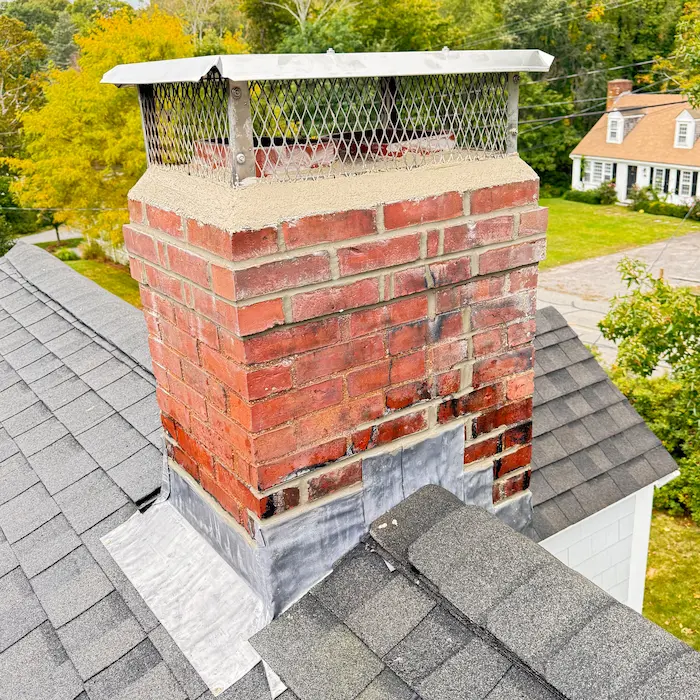
Solving persistent draft problems requires looking at the system as a whole, not relying on quick temporary fixes. Installing a dynamic directional chimney cap can prevent strong wind gusts from blowing down the flue stack, while extending a short chimney structure can dramatically improve natural thermal draft.
If you want to explore real-world structural remedies and see how field technicians resolve complex venting issues, taking time to See Our Work offers valuable insight into professional hearth restorations.
Clear the Air and Enjoy a Smoke-Free Fireplace
A smoky fireplace is your home’s way of telling you that the venting ecosystem is out of balance. Whether the culprit is an unprimed cold flue, wet firewood, negative room pressure, or a physical obstruction, every draft issue has a straightforward technical solution. By meeting your combustion air needs and keeping your flue clean, you can enjoy crisp, warm fires without smoke and odor. Take action today to restore proper draft and keep your living space clean, safe, and comfortable.