Siding is one of the most important exterior features of a home. It protects against rain, wind, moisture, pests, and temperature changes while also shaping curb appeal. When siding is installed correctly, it helps protect the structure and improve energy efficiency. When it is installed poorly, it can lead to water intrusion, rot, drafts, and costly repairs.
Choosing the right siding contractor is just as important as choosing the right siding material. A good contractor will inspect your home carefully, explain your options clearly, and install the siding with proper attention to weather protection, flashing, trim, and ventilation.
For homeowners in Pennsylvania, siding installation must be built for seasonal weather, including snow, rain, humidity, wind, summer heat, and freeze-thaw cycles.
Why Siding Contractor Experience Matters
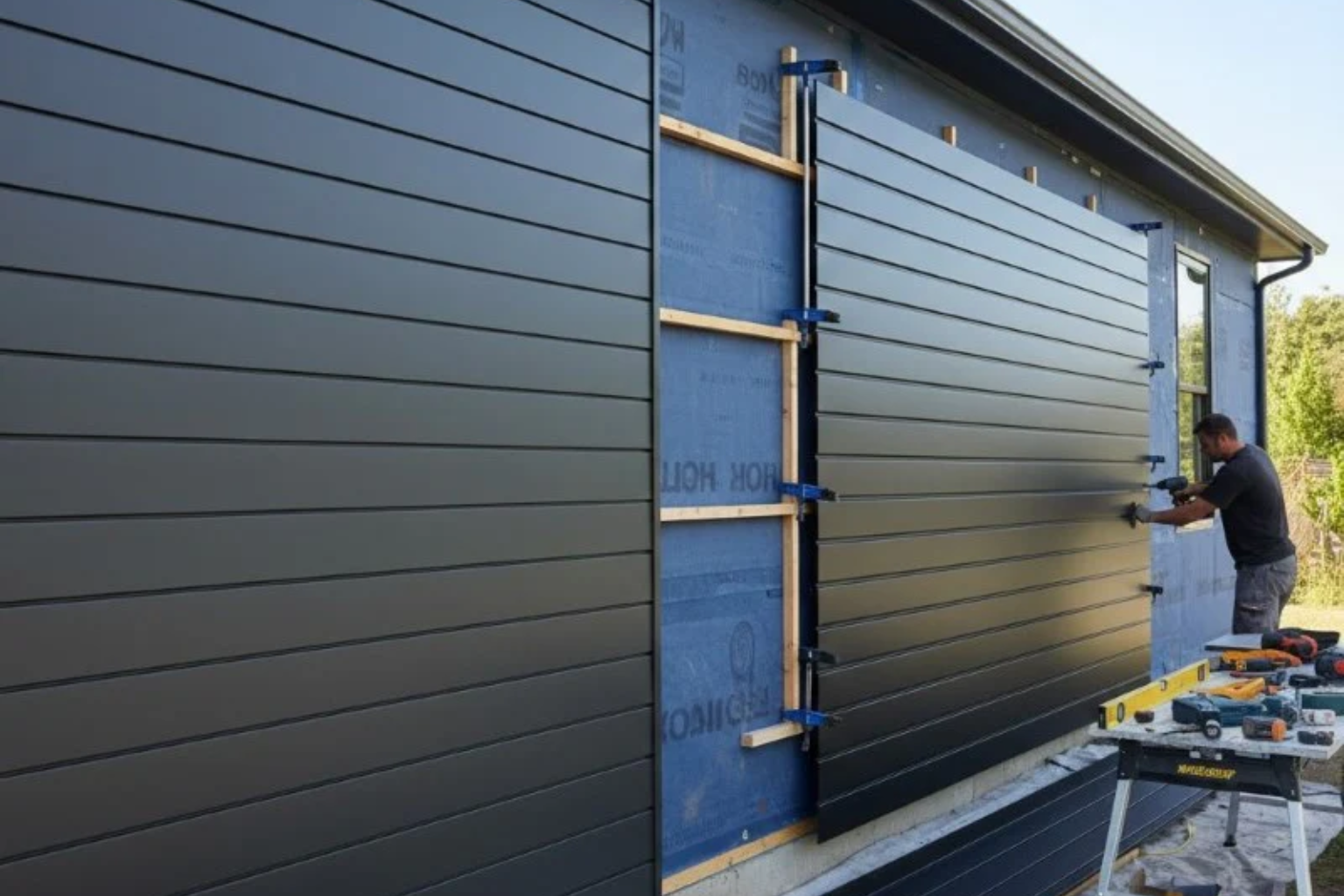
Siding may look simple from the outside, but proper installation requires skill. The contractor must understand how siding connects with windows, doors, roofing edges, trim, house wrap, flashing, and moisture barriers.
Poor siding installation can cause:
- Water behind exterior walls
- Mold and rot
- Drafts and energy loss
- Warped siding panels
- Loose or noisy siding
- Poor curb appeal
- Reduced home value
A qualified siding contractor knows how to install siding as a protective system, not just a decorative covering.
Look for Local Experience
Local experience is important because weather conditions affect siding performance. Pennsylvania homes deal with cold winters, humid summers, heavy rain, wind, snow, and seasonal expansion and contraction.
A contractor with local experience understands:
- How moisture affects exterior walls
- Which materials perform well locally
- How to protect against freeze-thaw damage
- How to install siding around older homes
- How to manage flashing and trim details
A local contractor is also more familiar with common home styles and exterior issues in the area.
Ask About Licensing and Insurance
Before hiring a siding contractor, ask whether they are licensed and insured. This protects both the homeowner and the contractor.
A reputable contractor should be willing to provide basic business information and explain the scope of work clearly. If a contractor avoids questions or refuses to provide details, that is a warning sign.
Review Past Work
Photos of past siding projects can help you understand the contractor’s workmanship. Look for clean lines, properly finished trim, smooth panel alignment, and attention to detail around windows and doors.
If possible, ask about similar projects. A contractor who has worked on homes like yours may be better prepared to handle the project correctly.
Ask for a Detailed Estimate
A siding estimate should be clear and specific. It should explain what is included, what materials will be used, what areas will be replaced or repaired, and what details are covered.
A vague estimate can lead to confusion later.
A good siding estimate may include:
- Removal of old siding
- New siding material
- Trim details
- Moisture barrier or house wrap
- Flashing work
- Cleanup
- Warranty information
- Project timeline
The lowest price is not always the best value. Poor installation can cost far more in the long run.
Understand Repair vs Replacement
Not every siding issue requires full replacement. If damage is limited to one area, repair may be possible. However, if siding is widespreadly cracked, faded, loose, warped, or moisture-damaged, replacement may be the better investment.
A trustworthy contractor should explain both options when appropriate. They should not push full replacement if repair makes sense, but they should also be honest when repair will not solve the problem.
Watch for Signs of a Poor Contractor
Be cautious if a contractor:
- Pressures you to sign immediately
- Offers a price that seems too low
- Cannot explain the installation process
- Has no proof of insurance
- Provides a vague estimate
- Avoids discussing moisture protection
- Does not inspect the home properly
- Uses scare tactics
Good contractors educate homeowners. They do not pressure them.
Why Moisture Protection Is Critical
Siding is meant to shed water, but no siding system is completely waterproof by itself. That is why moisture barriers, flashing, and proper installation details are critical.
Areas around windows, doors, rooflines, and trim must be installed carefully. If water gets behind siding, it can damage insulation, sheathing, framing, and interior walls.
A good contractor pays attention to what is behind the siding, not just what is visible.
Siding and Energy Efficiency
New siding can support better energy performance when combined with proper insulation and air sealing. Damaged siding can allow drafts and reduce comfort inside the home.
While siding alone may not solve every energy issue, it is an important part of the home’s exterior envelope. The best results often come from pairing siding improvements with windows, doors, roofing, or attic insulation.
Questions to Ask Before Hiring
Before choosing a siding contractor, ask:
- How long have you been in business?
- Are you licensed and insured?
- What siding materials do you recommend?
- Do you handle moisture barriers and flashing?
- Can you repair siding, or only replace it?
- What is included in the estimate?
- How long will the project take?
- What warranties are available?
The answers will help you compare contractors more confidently.
Final Thoughts
Choosing the right siding contractor protects your home, your budget, and your peace of mind. Siding is not just about appearance. It is part of the system that keeps your home dry, comfortable, and energy efficient.
Look for a contractor with local experience, clear communication, proper insurance, detailed estimates, and a strong understanding of moisture protection. Quality siding installation can improve curb appeal, protect your home, and add long-term value.