Vandalism can create serious problems for commercial properties. Broken windows, graffiti, damaged signs, tampered equipment, and destruction around entrances or parking areas can lead to repair costs, operational delays, and an unpleasant experience for employees and customers.
For many businesses, the most effective security strategy is not only about recording vandalism after it happens. It is also about making the property less attractive to people considering destructive behavior in the first place.
Visible surveillance can play an important role in that strategy.
When cameras are professionally positioned, clearly noticeable, and supported by good lighting and reliable recording, they can signal that activity on the property is being monitored. This does not guarantee that vandalism will never occur, but it can strengthen deterrence while giving businesses useful evidence if an incident does take place.
Why Visibility Matters
Security cameras serve two basic purposes.
The first is documentation. If an incident occurs, recorded footage can help management understand what happened.
The second is deterrence.
A clearly visible camera may cause someone to reconsider damaging property because they know their actions could be recorded.
This is particularly important around vulnerable locations such as exterior entrances, parking lots, loading zones, alleys, equipment yards, and isolated sections of commercial buildings.
Hidden cameras may provide useful evidence, but they provide little deterrent value if people do not know surveillance is present.
For many businesses, a combination of visible cameras and strategic coverage creates a stronger overall approach.
Start With the Areas Most Likely to Be Targeted
Not every part of a property faces the same level of risk.
Businesses should review previous incidents and identify areas that are naturally more vulnerable.
Rear entrances, poorly lit walls, outdoor equipment, dumpsters, loading docks, parking structures, signage, and isolated walkways often deserve additional attention.
Properties near entertainment districts, high-traffic roads, vacant lots, or areas with significant after-hours activity may face different risks than offices in controlled business parks.
A security assessment should therefore be specific to the property.
The objective is not simply to add more cameras. It is to place them where they are most likely to influence behavior and capture useful footage.
Choose Camera Designs Appropriate for Public Areas
Exterior cameras may be exposed to more than weather.
They can also be physically struck, tampered with, covered, or deliberately damaged.
This is why camera construction matters.
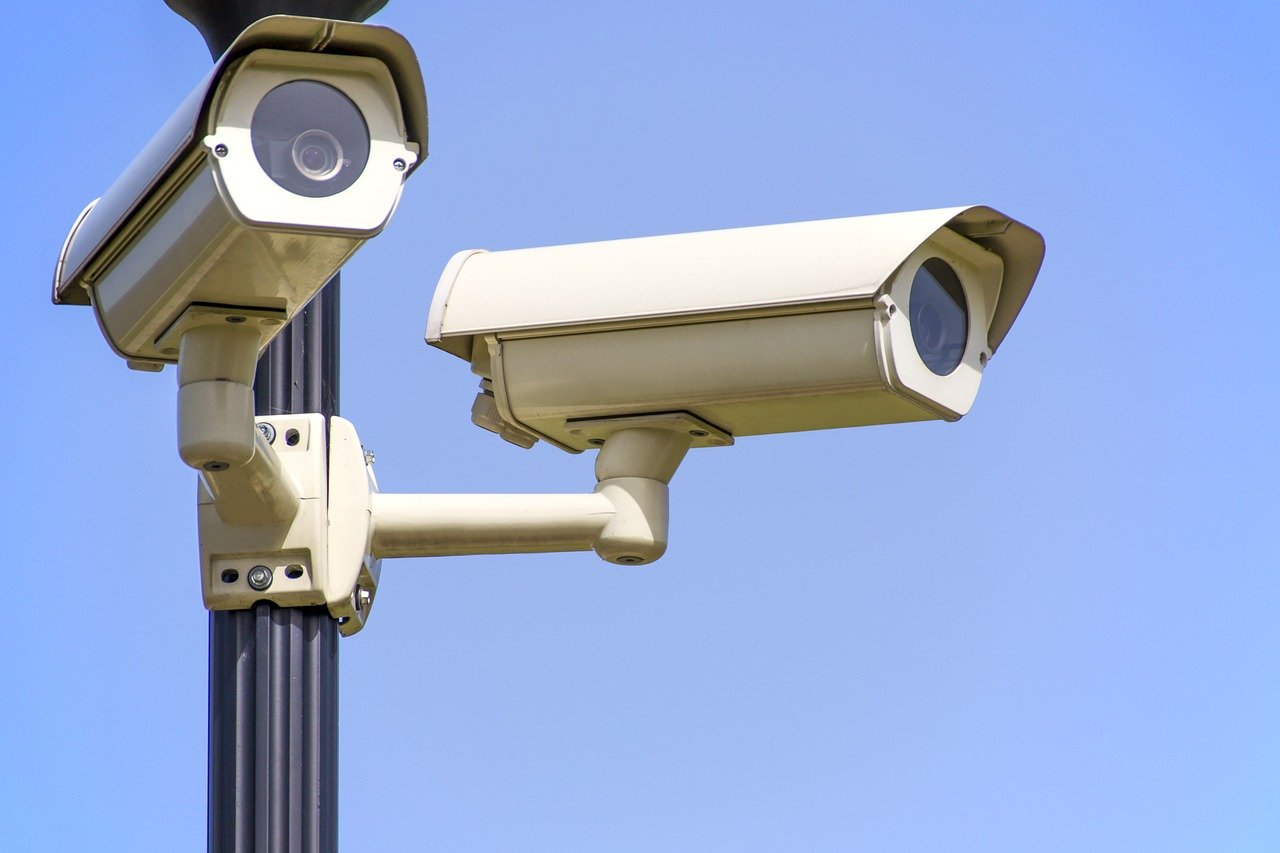
Commercial installations in accessible or high-risk areas may benefit from Vandal-Resistant Housing designed to provide additional physical protection around the camera and internal components.
Durable housing does not make a camera indestructible, but it can make casual tampering more difficult and help equipment withstand impacts better than less protected designs.
The mounting surface and installation hardware should also be selected with security in mind.
Mount Cameras High Enough to Reduce Tampering
Camera height requires balance.
If cameras are installed too low, they may be easier to reach and damage. If they are installed too high, important details may become harder to capture.
The correct height depends on the purpose of the camera.
A device providing a broad view of a building perimeter may be mounted higher than one intended to capture useful detail around an entrance.
Businesses should avoid assuming that the highest possible location is automatically best.
Mounting should reduce easy physical access while still maintaining an effective viewing angle.
Make Cameras Easy to Notice
A deterrence-focused camera does not necessarily need to be hidden.
In fact, visibility can be an advantage.
Cameras positioned near entrances, building corners, parking facilities, and other high-risk areas can signal that the property is actively monitored.
Some businesses also use appropriate security signage to reinforce this message.
The objective is to create a visible security presence without making the environment feel hostile.
Professional installations can position cameras so they are noticeable but still integrated cleanly into the building.
Lighting Strengthens Surveillance
Exterior lighting and security cameras should work together.
Dark areas can attract unwanted activity while also reducing the usefulness of recorded footage.
Lighting around entrances, walls, parking areas, loading zones, and equipment storage can improve visibility and make surveillance more effective.
However, lighting needs to be positioned carefully.
A bright fixture aimed directly at a camera may create glare or overexposure. Deep shadows can also make people difficult to see.
The best approach is to evaluate lighting from the camera’s perspective.
Businesses should review important camera views after sunset rather than assuming that an installation that works during the day will work equally well at night.
Infrared Cameras Help in Very Dark Areas
Some locations cannot remain brightly illuminated throughout the night.
Infrared-capable cameras can help maintain visibility in low-light or dark conditions.
These cameras use infrared illumination that is generally invisible to the human eye but detectable by the camera sensor.
The resulting image is often displayed in black and white.
Infrared can be useful around rear building areas, fenced storage yards, alleys, and other locations where visible lighting is limited.
Placement remains important because walls, glass, and nearby objects can reflect infrared light and reduce image quality.
Use Multiple Cameras to Reduce Blind Spots
Vandalism often happens where people believe they cannot be seen.
Blind spots created by building corners, landscaping, dumpsters, walls, parked vehicles, or outdoor equipment can provide opportunities for damage.
Businesses should look for these gaps during security planning.
A well-designed surveillance layout may use overlapping views around particularly vulnerable areas.
For example, one camera could monitor a parking area while another provides closer coverage of the building entrance.
This creates more complete visual context if someone moves from one area to another.
Protect the Cameras Themselves
People committing vandalism may attempt to disable surveillance before damaging other property.
This makes camera protection part of the overall security strategy.
Cables should not be unnecessarily exposed or easy to disconnect. Mounting hardware should be secure, and outdoor connections should be appropriately protected.
Recording equipment also deserves attention.
If footage is stored only in an easily accessible recorder near the cameras, someone who enters the building could potentially damage or remove it.
Depending on the system, businesses may use secure local recording, remote storage, cloud-supported platforms, or a combination of approaches.
Use Alerts for After-Hours Activity
Visible cameras can deter activity, but modern surveillance can also help businesses respond faster.
Analytics may allow systems to identify people, vehicles, movement within specific zones, or virtual boundary crossings.
For example, normal activity near a storefront during business hours may not require an alert. Someone entering a fenced equipment area at 2:00 a.m. could be more significant.
Schedules and detection zones help businesses create more relevant notifications.
The goal is to reduce unnecessary alerts while making unusual activity easier to identify.
Remote Access Can Improve Response
Business owners and managers are often away from the property when vandalism occurs.
Secure remote access can allow authorized users to review cameras without being physically present.
If an alert is generated after hours, a manager may be able to review footage and determine whether the situation requires further action.
This can be particularly useful for companies managing several locations.
Instead of waiting until the next morning to discover property damage, management may become aware of unusual activity sooner.
Combine Surveillance With Access Control
Not all vandalism happens outside.
Damage can also occur in employee-only rooms, shared building areas, stairwells, storage spaces, or other controlled locations.
Access control can complement CCTV by limiting who can enter specific areas.
If an incident occurs near a controlled door, access records can help identify which credentials were used around the relevant time.
Video footage provides visual context.
Together, these technologies can make investigations more efficient than relying on either system alone.
Preserve Useful Evidence
Deterrence is important, but businesses must still prepare for the possibility that vandalism will occur.
Recorded footage should be retained long enough to support realistic investigations.
A very short storage period may become a problem if damage is not discovered immediately.
Businesses should consider how often properties are inspected and how quickly incidents are typically reported.
Video should also be easy for authorized personnel to locate and export.
A technically advanced camera provides limited value if retrieving the relevant footage is unnecessarily difficult.
Maintenance Supports Long-Term Deterrence
A camera that is visibly damaged, dirty, or pointed in the wrong direction may send the opposite message from what a business wants.
Surveillance systems should be inspected periodically.
Check whether lenses are clean, housings remain secure, mounts have shifted, and landscaping or building changes have blocked important views.
Confirm that footage is actually recording.
Exterior cameras are especially vulnerable to dust, weather, insects, and environmental exposure.
Routine maintenance helps ensure that visible cameras are not merely decorative but remain operational.
Do Not Rely on Cameras Alone
Surveillance should be one part of a broader property security plan.
Lighting, access control, secure gates, fencing, alarms, physical locks, and thoughtful landscaping can all reduce opportunities for vandalism.
For example, trimming vegetation around entrances may remove hiding places while improving camera visibility.
Securing dumpsters and outdoor equipment can also reduce opportunities for damage.
The strongest strategy usually combines environmental design with electronic security rather than expecting cameras to solve every problem independently.
Create a Visible but Professional Security Presence
Businesses do not need to make their properties look like high-security compounds to discourage vandalism.
The goal is to communicate that the site is maintained, monitored, and protected.
Visible cameras, appropriate lighting, secure entrances, clean surroundings, and professional installation can create that impression.
Properties that appear neglected may attract more unwanted activity because people assume problems will go unnoticed.
A well-maintained surveillance system sends a different message.
Focus on Prevention and Evidence
Vandalism creates costs that extend beyond the damaged property itself.
Repairs can interrupt operations, require emergency contractors, affect customer perception, and consume employee time.
Visible surveillance provides businesses with a practical way to address both prevention and investigation.
Strategically positioned cameras can discourage some unwanted activity while producing valuable footage when deterrence is not enough.
The strongest installations consider camera durability, mounting height, lighting, blind spots, recording, analytics, remote access, and maintenance together.
When surveillance is designed around the actual risks of the property, it becomes more than a collection of cameras. It becomes a visible layer of protection that can help discourage damage, improve awareness, and give businesses stronger evidence when incidents occur.