Most of us assume the water flowing from our taps is exactly what it should be. After all, it looks clear, fills our glasses without hesitation, and powers everything from morning showers to late-night dishwashing. Unless something smells unusual or tastes different, we rarely stop to wonder what’s actually in it.
The interesting thing is that water quality can vary much more than people realize. Two homes located in the same neighborhood may have completely different experiences depending on plumbing materials, local infrastructure, private wells, or naturally occurring minerals. That’s why understanding your home’s water isn’t about guessing—it’s about gathering real information before making decisions.
The good news is that learning what’s in your water is often much easier than homeowners expect.
Every Home Has Unique Water Conditions
Water doesn’t arrive at every house in identical condition.
Its journey begins at a municipal treatment facility or private well, but it continues through underground pipes, neighborhood infrastructure, and finally your home’s plumbing. Along the way, minerals, sediment, aging pipes, and other factors can influence the water reaching your faucet.
Some homeowners deal with hard water that leaves mineral deposits behind. Others notice chlorine taste, sulfur odors, or staining around sinks and tubs. Many families don’t notice obvious warning signs at all, even though hidden water issues may still affect appliances and plumbing.
That’s why understanding your home’s specific water profile matters.
Why Testing Comes Before Treatment
Many people start shopping for filters or water softeners before they actually know what problem they’re trying to solve.
It’s understandable. Advertisements make it seem as though one product solves every water concern.
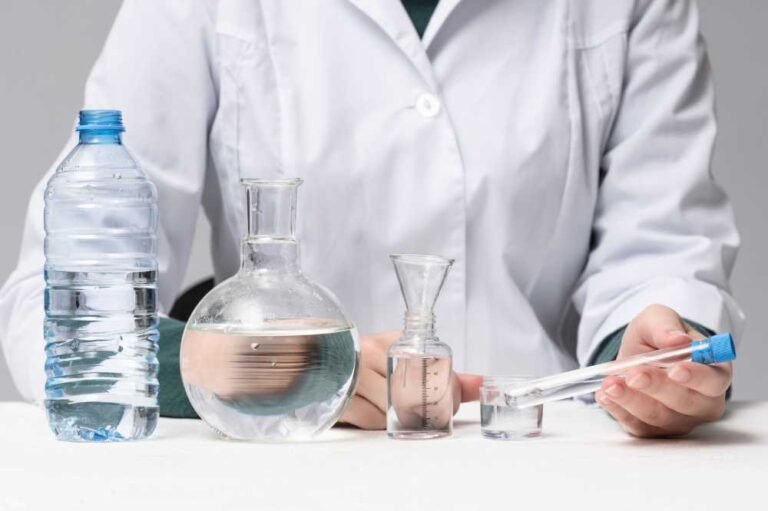
In reality, the best solutions always begin with water testing .
Testing identifies important characteristics such as hardness, chlorine levels, sediment, iron, sulfur, and other water quality factors. Once those results are available, homeowners can choose equipment designed specifically for their needs instead of spending money on unnecessary or ineffective treatment systems.
Knowing first almost always leads to better decisions.
Small Changes Often Reveal Bigger Issues
Sometimes water quality concerns announce themselves clearly.
Cloudy water, unpleasant odors, rusty stains, or visible mineral buildup naturally attract attention. But many water issues develop gradually enough that homeowners simply adapt without realizing anything has changed.
Perhaps your coffee tastes a little different than it used to. Soap no longer rinses away as easily during showers. Glassware comes out of the dishwasher looking cloudy, or your water heater seems to require repairs more frequently.
These aren’t always signs of serious contamination, but they often suggest that taking a closer look at your water would be worthwhile.
A Free Test Can Provide Valuable Answers
One of the easiest ways to understand your home’s water is by scheduling a free water test .
Rather than relying on assumptions or internet advice, a water evaluation provides information based on your actual water supply. Depending on the testing process, homeowners can learn about hardness levels, common contaminants, mineral content, chlorine, and other important characteristics.
That information helps eliminate guesswork while making treatment recommendations much more accurate.
It’s a simple first step that often saves homeowners both time and money in the long run.
Better Water Benefits More Than Drinking
When people think about water quality, they usually focus on drinking water.
While that’s certainly important, water influences almost every corner of the home.
It affects showers, laundry, dishwashing, cooking, cleaning, plumbing fixtures, and household appliances. Hard minerals can reduce the efficiency of water heaters, washing machines, and dishwashers while creating scale buildup throughout the plumbing system.
Cleaner water often improves daily comfort in ways homeowners don’t expect.
Hair feels softer, soap lathers more effectively, towels remain fluffier, and cleaning requires less effort because mineral residue no longer builds up as quickly.
Water Quality Can Change Over Time
Many homeowners assume that once they’ve tested their water, they’ll never need to think about it again.
In reality, water conditions can change.
Municipal infrastructure improvements, plumbing repairs, seasonal variations, private well conditions, and changes in groundwater can all influence water quality over time.
Periodic water quality testing helps confirm that your home’s water continues meeting your expectations while identifying new concerns before they become larger problems.
Regular testing is especially valuable after moving into a new home, replacing plumbing, or noticing changes in taste, odor, or appearance.
Choosing the Right Solution
Once testing identifies specific water concerns, selecting treatment equipment becomes much simpler.
Some households benefit most from water softeners that reduce hardness. Others require reverse osmosis systems for drinking water, sediment filters, activated carbon filtration, or customized combinations of multiple treatment methods.
The important thing is matching the solution to the actual problem rather than purchasing equipment based solely on advertising or general recommendations.
Personalized treatment almost always delivers better results.
Maintenance Keeps Water Systems Working
Installing a treatment system isn’t the end of the process.
Like any mechanical equipment, filtration systems require occasional maintenance to continue performing efficiently. Replacing cartridges, adding softener salt when necessary, sanitizing equipment, and scheduling routine inspections all help maintain consistent water quality.
Fortunately, these maintenance tasks are generally straightforward and predictable.
Routine care protects your investment while ensuring your family continues enjoying clean, dependable water every day.
Better Information Leads to Better Decisions
Improving your home’s water doesn’t begin with expensive equipment.
It begins with understanding what’s actually flowing through your plumbing.
Testing provides the information needed to make confident decisions based on facts instead of assumptions. Whether your goal is improving taste, protecting appliances, reducing hard water problems, or simply creating greater peace of mind, knowing your water is always the smartest place to start.
When homeowners take the time to learn about their water before choosing treatment options, they often discover improvements that reach every part of daily life. Cleaner dishes, softer laundry, better-tasting beverages, healthier plumbing, and more efficient appliances all begin with the same simple step—understanding the water your family uses every single day.
Sometimes the smallest first step leads to the biggest long-term improvement.