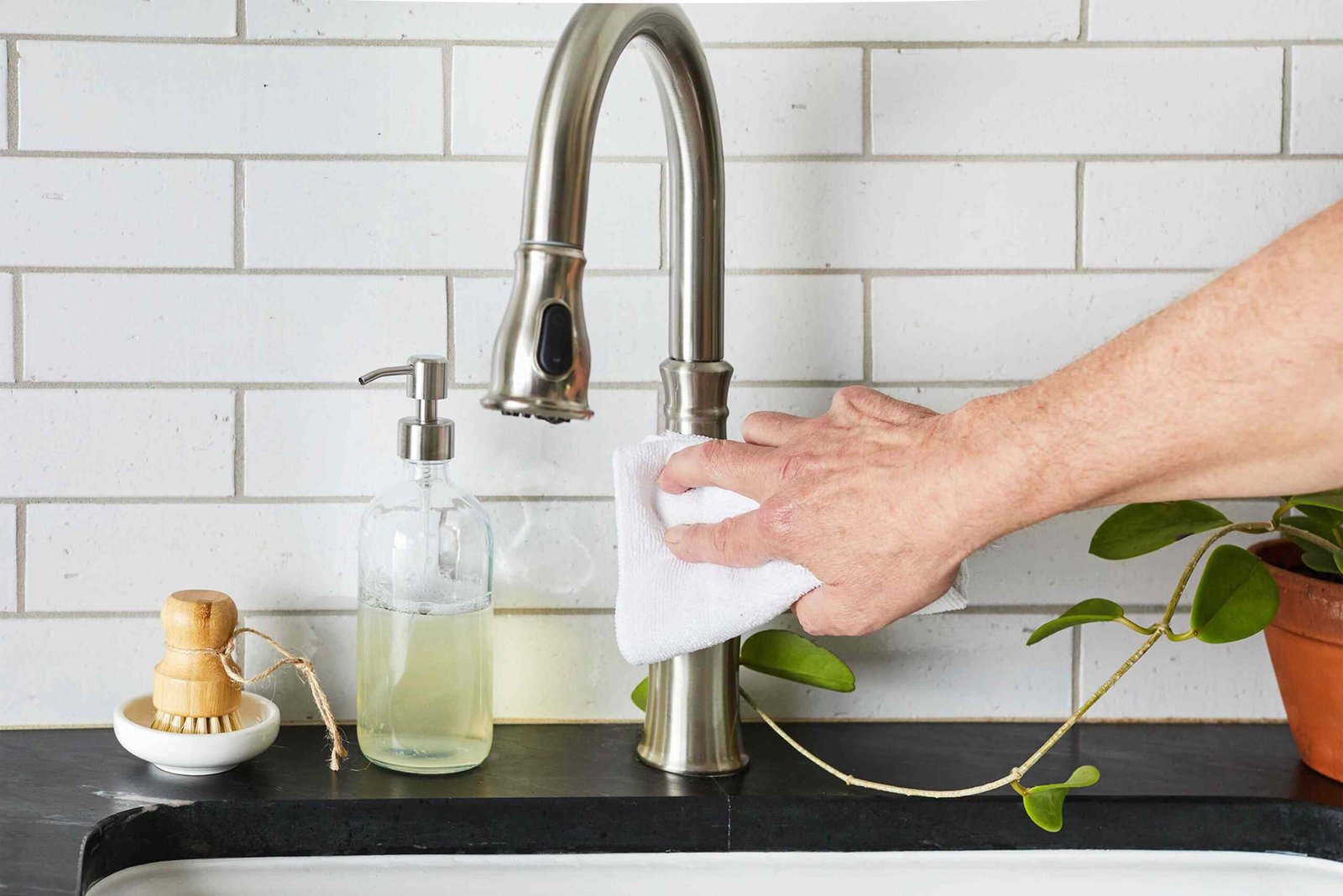
If you’ve ever noticed a cloudy, chalky film on your bathroom tiles or a stubborn ring around the faucet that won’t scrub away, you’re likely dealing with hard water stains. Delhi’s water supply, drawn from a mix of groundwater and river-fed treated sources, often carries a notable mineral content, which over time deposits on bathroom fixtures, tiles, and glass surfaces.
Combined with everyday soap scum and grime, this can make bathrooms look dull no matter how often they’re wiped down. Understanding what actually removes these stains, and how professional bathroom cleaning services approach the problem, can save both time and surface damage.
Why Hard Water Stains Are So Stubborn
Hard water contains dissolved minerals, primarily calcium and magnesium. When water evaporates off a surface, it leaves these minerals behind as a residue. Over weeks and months, this residue builds up into visible white or cloudy deposits on shower glass, tiles, tap fixtures, and even inside toilet bowls.
Unlike regular dust or dirt, mineral deposits don’t respond well to a simple wipe with water and a cloth; they generally require a mildly acidic cleaning approach to dissolve the mineral buildup.
Common (and Risky) DIY Approaches
Many households turn to vinegar, baking soda, or lemon-based solutions to tackle hard water stains, and these can work reasonably well for light buildup. However, for more established mineral deposits and combined soap-scum grime, stronger cleaning is often needed.
This is where many homeowners reach for harsh, corrosive bathroom cleaning chemicals, which can indeed cut through grime quickly but come with downsides: strong fumes, skin and eye irritation risk, and potential damage to tile grout, chrome fixtures, or natural stone surfaces if used repeatedly over time.
What Professional Bathroom Deep Cleaning Services Do Differently
Professional bathroom deep cleaning services in Delhi typically approach hard water stains and grime removal through a combination of the right cleaning agents and mechanical techniques, rather than relying on brute-force scrubbing or overly harsh chemicals.
Homeowners researching this problem often search for terms like “bathroom deep cleaning services bangalore” or their own city’s equivalent, since the underlying hard-water challenge is common across most Indian metros.
This generally includes:
1. Targeted de-scaling solutions: Rather than using a generic all-purpose cleaner, effective bathroom cleaners near me typically use descaling agents specifically formulated to break down mineral deposits without excessively corroding grout or fixture finishes.
2. Steam-based cleaning: Steam can loosen grime and soap scum from tile surfaces and grout lines without requiring aggressive scrubbing, which helps preserve the surface over repeated cleaning sessions.
3. Grout-specific attention: Grout lines tend to trap grime and hard water residue more than the tile surface itself. Professional cleaning bathroom services often use specialised brushes and grout-safe solutions to restore grout lines to their original colour without damaging the surrounding tile.
4. Non-corrosive formulations: Because bathrooms are used daily and often by children, using non-corrosive, family-safe cleaning agents matters both for the durability of bathroom surfaces over time and for the safety of household members who use the space right after cleaning.
Why Non-Corrosive, Odourless Formulations Matter for Bathrooms
Bathrooms are enclosed, often poorly ventilated spaces, which means strong chemical fumes from traditional bathroom cleaning products can linger uncomfortably long after cleaning. Odourless, non-corrosive cleaning formulations address this directly; they’re designed to break down hard water deposits and grime effectively while minimising the harsh smell and surface degradation that comes with more aggressive, traditional cleaning chemicals.
This is particularly relevant for households with young children who use the bathroom shortly after it’s been cleaned, or for shared bathrooms that don’t have time to air out between uses.
Tips for Managing Hard Water Stains Between Professional Cleanings
- Wipe down glass shower doors and taps after each use with a squeegee or dry cloth to reduce mineral buildup over time.
- Use a mild descaling solution weekly on high-contact surfaces like faucets and showerheads to slow down deposit accumulation.
- Avoid using undiluted harsh acids repeatedly on chrome or natural stone fixtures, as this can cause long-term surface damage.
- Schedule professional bathroom deep cleaning services periodically for grout lines and other hard-to-reach areas that regular cleaning tends to miss.
In Conclusion, hard water stains and bathroom grime are a near-universal challenge in Delhi homes, but they don’t have to mean choosing between an effective clean and a bathroom that smells overwhelmingly of chemicals for hours afterwards.
With the right combination of descaling techniques, steam-based methods, and non-corrosive, odourless formulations, professional bathroom cleaning services can restore bathrooms to a genuinely fresh state without compromising on family safety or surface longevity.