Water plays a bigger role in our daily lives than we often realize. At home, it keeps showers comfortable, dishes clean, and appliances running. In a business, it can influence everything from equipment performance to customer experience and operating costs. When water quality or usage becomes a problem, the effects tend to show up in small ways first: cloudy glassware, mineral deposits, rising utility bills, or equipment that needs attention more often than expected.
The good news is that water management has come a long way. Traditional treatment equipment remains useful, but modern monitoring technology and more carefully designed systems give property owners additional ways to manage water. The trick is knowing which improvements solve a genuine problem and which ones simply add complexity.
Hard Water: A Familiar Problem With Lasting Effects
Hard water contains dissolved minerals, mainly calcium and magnesium. These minerals aren’t generally considered a health concern at the levels associated with ordinary hardness, but they can create plenty of household maintenance headaches.
Think about the white crust that builds up around a faucet or the film left behind on a shower screen. Similar deposits can accumulate inside pipes, water heaters, and other equipment that regularly handles heated water. Soap may also work less effectively, leaving some people using more detergent or spending extra time cleaning.
For homes experiencing these issues, water softeners can be a practical option. Conventional ion-exchange softeners reduce hardness by exchanging calcium and magnesium ions for other ions, commonly sodium. When correctly sized and maintained, they can help reduce scale formation and improve the everyday experience of washing, bathing, and cleaning.
However, softening isn’t the same as removing every unwanted substance from water. A softener generally isn’t designed to eliminate bacteria, pesticides, or all dissolved contaminants. Before installing one, test the water and confirm that hardness is actually the issue.
It’s also worth considering operating requirements. Traditional systems use salt during regeneration and produce wastewater, so owners should understand the maintenance routine and environmental considerations before choosing a model.
Why Water Quality Testing Should Come First
Water that looks clear isn’t necessarily free of contaminants, and water that tastes unusual doesn’t always have a serious safety problem. Appearance, taste, and smell can offer clues, but they cannot reliably identify every substance present.
Testing helps turn uncertainty into a more useful plan. Depending on the water source, relevant tests may include hardness, pH, iron, manganese, nitrates, and microbiological indicators. The appropriate testing panel depends on the property’s circumstances and any concerns already identified.
Homeowners supplied by a public utility can review the supplier’s water quality report. If they suspect a problem with household plumbing or water at the tap, additional testing may be useful. Private well owners should follow local public health guidance for routine testing because well water quality can change with weather, surrounding land use, and well condition.
Businesses may need a more specific assessment based on their operations. A restaurant, for example, has different water requirements from a warehouse or a small professional office. Equipment specifications, food safety considerations, and the quality needed for a particular process can all affect the treatment plan.
Starting with test results prevents a common mistake: buying a system because it is popular rather than because it addresses the actual problem.
How Smart Technology Can Help Track Water Use
A dripping pipe can waste water for weeks before anyone notices. A small leak behind a cabinet might remain hidden until flooring starts to warp. In larger buildings, a leak may go undetected simply because no one regularly checks every utility area.
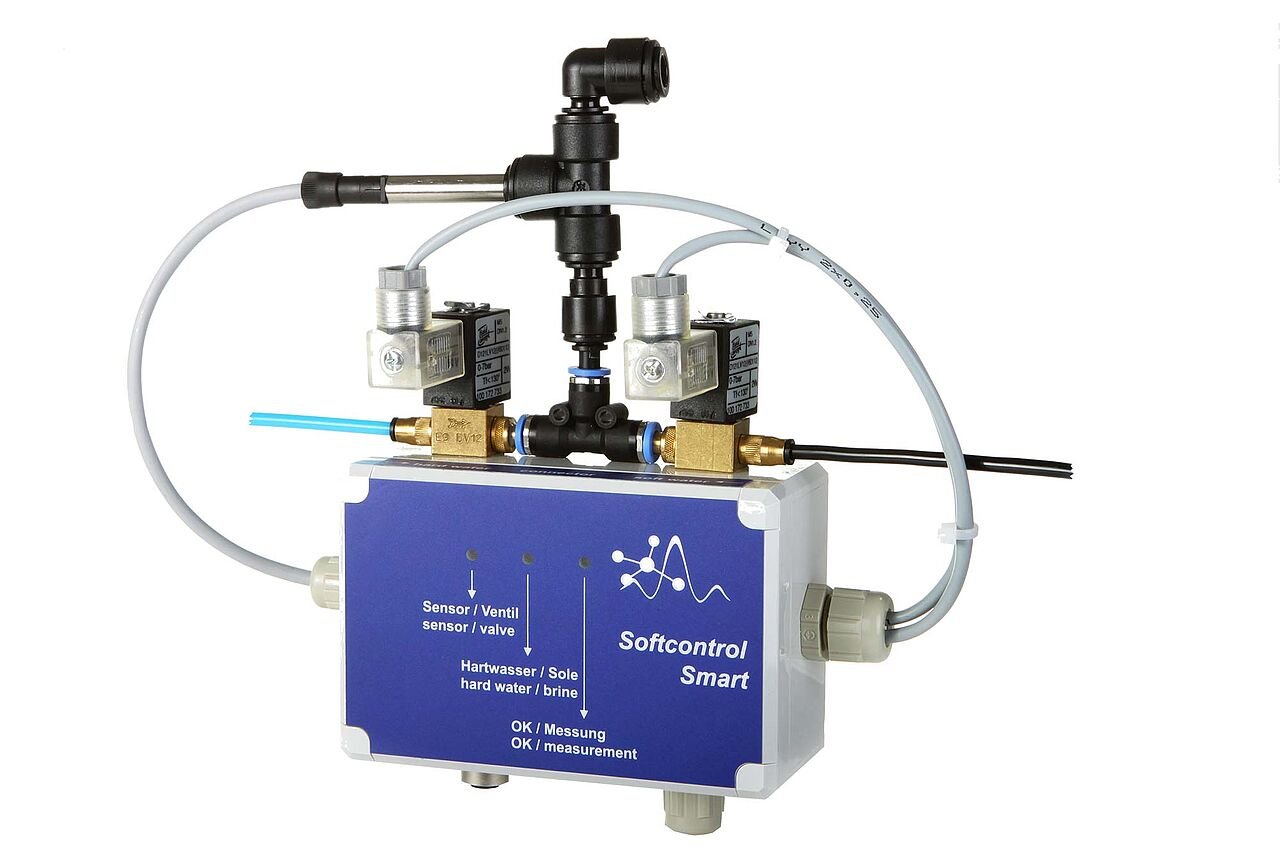
This is where smart water monitoring systems can be useful. Depending on the model, these devices may track water flow, identify unusual usage patterns, send leak alerts, or work with automatic shutoff valves. Some provide information through a mobile application, allowing property owners to review consumption without standing beside the water meter.
The practical value is early awareness. If a monitoring device detects continuous flow at an unusual time, it may alert the owner to investigate. A system with an appropriate automatic shutoff feature may even limit water loss when a serious leak is detected, although performance depends on the equipment and installation.
These systems aren’t magic, of course. They may not detect every slow leak, and an alert doesn’t always tell you exactly where a problem is located. Internet connectivity, sensor placement, installation quality, and maintenance can affect how well the equipment works.
Before buying a monitor, consider what you actually want to track. A homeowner might prioritize leak detection and protection against water damage, while a property manager may care more about consumption trends across several buildings. Choose features that match the situation rather than paying for functions you’ll never use.
Commercial Properties Have Different Water Demands
Businesses often use water in ways that go beyond ordinary drinking, washing, and sanitation. Hotels rely on water for guest rooms and laundry. Restaurants need dependable supplies for food preparation, cleaning, and dishwashing. Manufacturing facilities may use water in cooling equipment or specific production processes.
Because the demands vary so much, commercial water solutions should be designed around the property’s purpose, water quality, and expected consumption. A treatment setup suitable for a small office may not be appropriate for a restaurant or industrial facility.
For example, scale buildup can affect water heaters, boilers, and other equipment that depends on efficient heat transfer. Depending on the system and operating conditions, controlling hardness may help reduce maintenance needs. Filtration may also be appropriate when sediment or certain dissolved substances interfere with equipment performance or product quality.
Businesses should also consider flow rates and peak demand. A system that works adequately during quiet periods may struggle when several fixtures or machines operate simultaneously. Undersized equipment can affect performance, while excessive capacity may increase costs without providing meaningful benefits.
A professional assessment can help establish treatment requirements, identify necessary testing, and determine whether monitoring or automated controls would add value. The best plan is one that supports daily operations without creating an unnecessarily complicated maintenance burden.
Maintenance Is Just as Important as Installation
Even well-designed equipment needs care. Filters collect particles, softeners require servicing, and monitoring devices need functioning sensors and reliable power or connectivity. Skipping maintenance can reduce performance and make it harder to recognize when something has gone wrong.
Create a simple schedule based on the manufacturer’s recommendations. Record filter replacements, inspections, water tests, and any service work. For business properties, assign responsibility to a specific team member or maintenance provider so that essential tasks don’t get lost among daily responsibilities.
It’s also sensible to understand the ongoing costs before installation. Ask about replacement parts, consumables, service visits, energy requirements, and wastewater where applicable. A system’s purchase price tells only part of the story.
If water suddenly changes in color, smell, or taste, investigate rather than assuming the treatment equipment will correct it automatically. For suspected contamination, seek appropriate testing and public health guidance. If a leak is causing immediate damage, isolate the supply if it is safe to do so and arrange prompt repairs.
Making Water Management More Efficient
Improving water management doesn’t always require expensive technology. Fixing leaking fixtures, maintaining plumbing, choosing efficient appliances, and reviewing unusually high consumption can all make a difference.
Monitoring can reveal patterns that are otherwise easy to miss. Treatment equipment can address specific quality concerns, while regular maintenance helps keep everything operating as intended. These measures work best when they’re selected for a clear purpose and reviewed as circumstances change.
For homeowners, that may mean reducing mineral buildup and protecting appliances. For businesses, it could involve improving operational reliability, identifying leaks sooner, or maintaining consistent water quality for a particular process.
The important thing is to start with the problem, not the product. Test the water where appropriate, understand how the property uses it, and compare solutions based on performance, maintenance, and long-term cost.
Better water management is rarely about finding one device that does everything. It’s about combining sensible habits with the right equipment and reliable information. When those pieces fit together, water becomes easier to manage, unexpected problems may be caught sooner, and both homes and businesses can operate with greater confidence.