A dependable plumbing system is easy to take for granted until something goes wrong. For anyone who has needed a plumber in Salt Lake City on short notice, the disruption of a burst pipe or backed-up drain is a hard lesson in why prevention matters. And in this region, the odds of running into trouble are higher than average.
Salt Lake City homes face a unique mix of challenges, sharp seasonal temperature swings, notoriously hard water, and plenty of aging plumbing in older neighborhoods. Together, these factors make certain plumbing problems especially common. Understanding them and knowing when to call a professional, can save you money and stress.
Why Plumbing Problems Are Common in Salt Lake City
Several local factors work against your pipes. Hard water is one of the biggest culprits, leaving behind mineral buildup that clogs pipes, damages fixtures, and shortens the life of appliances like water heaters.
Winter adds another layer of risk. Freezing temperatures can cause pipes to freeze and burst, particularly in older or poorly insulated homes. Speaking of age, many Salt Lake City neighborhoods feature decades old plumbing that’s simply reaching the end of its lifespan.
Seasonal changes compound all of this, expanding and contracting pipes throughout the year. That’s why proactive maintenance isn’t just a good idea here, it’s essential for protecting your home.
Top Plumbing Problems Homeowners Face
Leaky Faucets
Worn washers, corroded valve seats, and hard water mineral buildup are frequent causes of drips. Beyond the annoying sound, a steady leak wastes gallons of water and inflates your bill. Replacing worn parts early keeps a minor drip from becoming a bigger repair. If the leak persists after basic fixes, a professional can pinpoint the underlying issue.
Running Toilets
A toilet that won’t stop running usually points to a faulty flapper, fill valve, or float. It’s easy to ignore, but a running toilet can waste hundreds of gallons a day. Swapping out a worn flapper is a manageable DIY task; if the problem returns, call a plumber to check for a deeper valve or supply issue.
Clogged Drains
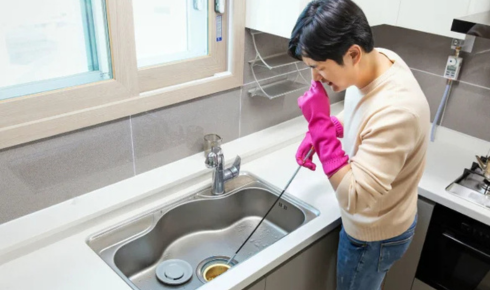
Grease, hair, soap scum, and food debris build up over time and slow your drains to a crawl. Left unchecked, clogs can lead to backups and even pipe damage. Drain strainers and mindful habits, no grease down the sink, go a long way. When a clog keeps returning or affects multiple drains, that’s a sign of a line issue that needs a pro.
Burst or Frozen Pipes
Utah’s freezing winters make this one of the most serious risks homeowners face. Water inside an unprotected pipe freezes, expands, and can rupture the line, causing major flooding. Insulating exposed pipes and keeping a trickle of water flowing on cold nights helps prevent it. A burst pipe is always an emergency, shut off the main water supply and call a plumber immediately.
Low Water Pressure
Mineral buildup, hidden leaks, or corroded pipes often lie behind weak water pressure. Besides being frustrating, it can signal a larger problem within your system. Cleaning faucet aerators sometimes helps, but pressure loss throughout the entire home usually requires professional diagnosis.
Water Heater Issues
Hard water is especially tough on water heaters, allowing sediment to collect and reduce efficiency. Warning signs include inconsistent hot water, strange noises, or discolored water. Flushing the tank once a year extends its life, but leaks or a complete loss of hot water call for professional service.
Sewer Line Backups
Tree roots, aging clay pipes, and heavy buildup can obstruct your main sewer line. Multiple slow drains, gurgling sounds, and foul odors are red flags you shouldn’t ignore. This is never a DIY job, a backup can cause extensive, unsanitary damage and requires specialized equipment to resolve.
Garbage Disposal Problems
Overloading the disposal or grinding hard, fibrous items leads to jams and clogs. A unit that hums but won’t turn, or one that keeps clogging, signals trouble. Running cold water while grinding and avoiding grease helps. Persistent issues or electrical faults should be handled by a professional.
Hidden Pipe Leaks
Some of the costliest problems are the ones you can’t see. Leaks inside walls or under floors quietly cause water damage and mold. Unexplained spikes in your water bill, damp spots, or a musty smell are warning signs. Because these leaks are hard to locate, a plumber with leak-detection tools is your best bet.
How to Prevent Common Plumbing Problems
Most common plumbing problems are far easier to prevent than to repair. A few consistent habits protect your entire system:
● Schedule regular plumbing inspections, ideally once a year.
● Monitor your water pressure and address sudden changes.
● Practice proper drain care with strainers and grease-free sinks..
● Winterize outdoor plumbing before the first freeze.
● Fix small leaks promptly before they escalate.
When Should You Call a Local Plumber?
Some situations are simply beyond safe DIY territory. Contact a professional right away for major leaks, sewer backups, burst pipes, stubborn recurring drain clogs, water heater failures, or low water pressure affecting the whole home.
In these cases, a trusted local plumber with the right tools and experience can resolve the issue safely and correctly. Reliable residential plumbing services help you avoid costly mistakes, and prompt plumbing repair in Salt Lake City prevents small emergencies from turning into major water damage.
Conclusion
Early detection and preventive maintenance are the keys to avoiding expensive plumbing repairs in Salt Lake City’s demanding climate. By recognizing warning signs and staying ahead of seasonal risks, you can keep your system running smoothly year-round.
For complex issues that go beyond a simple fix, professional help is well worth it. Trusted local providers like Mr. Expert Plumbing can handle repairs and maintenance so your home stays protected through every season.
Frequently Asked Questions
What is the most common plumbing problem in Salt Lake City homes?
Hard water damage is among the most common, causing mineral buildup that clogs pipes and wears out fixtures and water heaters. Clogged drains and winter pipe issues are also frequent in the area.
How can I prevent plumbing problems during Utah winters?
Insulate exposed pipes, disconnect and store garden hoses, and keep your home heated even when away. On especially cold nights, letting a faucet drip slightly can help prevent pipes from freezing and bursting.
When should I call a professional plumber instead of attempting a DIY repair?
Call a professional for burst pipes, sewer backups, major leaks, water heater failures, or low pressure throughout the home. These issues require specialized tools and expertise, and DIY attempts often make them worse.