There’s something quietly satisfying about filling up a bottle with fresh, great-tasting water and knowing you’re not dragging home another heavy plastic case from the store. It’s a small thing, really. But for many families, office workers, gym-goers, and even busy parents rushing between errands, water refills have become part of a smarter daily routine.
We all know water matters. That’s not exactly breaking news. But the way people get their drinking water is changing. Bottled water once felt like the easiest answer. Grab a pack, toss it in the cart, done. Over time, though, the cost adds up, the plastic piles up, and the taste isn’t always as fresh as expected. That’s where refill options have started to make a lot more sense.
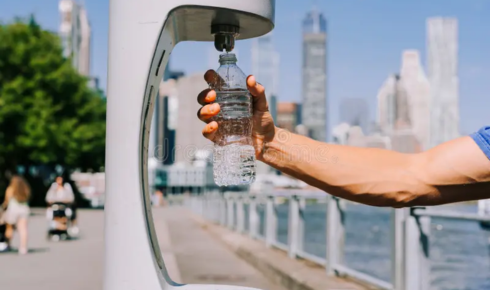
A reliable water fill-up station gives people a convenient way to refill bottles, jugs, or containers without depending on single-use plastic bottles every day. It’s practical, usually more affordable, and honestly, it just feels better. You bring your own container, fill it up, and go. No fuss. No overthinking.
A Simple Shift That Makes Daily Life Easier
Most people don’t wake up thinking, “Today I’ll improve my hydration habits.” Life is too busy for that. But when good water is easy to access, people naturally drink more of it. A refill station at a grocery store, gym, office, apartment complex, community center, or local water shop can make staying hydrated almost effortless.
The convenience is a big part of the appeal. Instead of buying small bottles again and again, you can refill larger containers for home use or keep a reusable bottle topped up while you’re out. It cuts down on last-minute store trips, and for families who go through a lot of water, that can be a real relief.
There’s also the taste factor. Anyone who has ever opened a bottle of water that tasted slightly plasticky knows the disappointment. Water should taste clean, light, and refreshing. Not flat. Not stale. Not like it’s been sitting in a warm warehouse for months.
Why Filtered Water Feels Different
People often describe good filtered water as “smoother,” even if that sounds a bit funny. What they usually mean is that it doesn’t have the odd chlorine smell, metallic edge, or mineral-heavy aftertaste they sometimes notice in tap water.
With clean filtered water, everyday things start tasting better too. Coffee has a cleaner finish. Tea tastes less bitter. Ice cubes don’t carry that strange freezer-meets-tap-water flavor. Even simple lemon water feels fresher. It’s one of those upgrades you may not think about much until you experience the difference for a while, then go back.
Filtration methods can vary, of course. Some systems focus on reducing chlorine and unpleasant taste. Others may address sediment, certain dissolved solids, odors, or other unwanted substances. The best refill stations typically maintain their equipment properly, replace filters on schedule, and pay attention to water quality rather than just offering a machine with a hose attached.
Better for the Budget, Better for the Planet
Plastic bottles are convenient, but convenience has a cost. Not just the price printed on the package, either. There’s the environmental cost of manufacturing bottles, transporting them, refrigerating them, and then dealing with the waste afterward. Even when bottles are recyclable, not all of them actually get recycled.
Refilling reusable bottles and jugs reduces that waste in a very direct way. No dramatic lifestyle change required. No lecture needed. Just fewer bottles in the bin and fewer packs of water stacked in the pantry.
The savings can be noticeable too. A household buying bottled water every week may not feel the expense day by day, but over a month or a year, it becomes real money. Refill stations often provide a more economical choice, especially for families, small offices, fitness centers, or people who simply drink a lot of water.
And let’s be honest, carrying those big packs of bottled water from the store to the car, then from the car to the kitchen, is nobody’s favorite chore.
What Makes a Good Refill Station Worth Using?
Not every refill option is equal. A good station should be clean, well-maintained, easy to use, and transparent about its process. If the area around the machine looks dirty or neglected, that’s not exactly confidence-building. People should feel comfortable filling their containers there.
Look for stations that appear professionally serviced. Clear instructions, regular maintenance notices, clean dispensing areas, and fresh-tasting water all matter. In commercial or public settings, it also helps when the station is placed somewhere convenient and well-lit. Little details influence trust.
Containers matter as well. A clean bottle or jug keeps the water fresh after filling. Reusable containers should be washed regularly, especially around the cap and mouth area. It sounds basic, but it’s easy to forget. Even excellent water won’t stay fresh in a container that hasn’t been cleaned properly.
A Small Habit That Supports Better Hydration
People drink more water when water is close by. That’s just how habits work. Keep a reusable bottle at your desk, in the car, or near your workout bag, and suddenly drinking water becomes less of a task. Refill stations support that habit because they make it easier to keep fresh water available throughout the day.
For offices, schools, gyms, and community spaces, refill access can also send a positive message. It shows that hydration, wellness, and sustainability are being taken seriously without making a big show of it. Sometimes the most useful improvements are the quiet ones.
Choosing Water You Feel Good About
At the end of the day, people want water they can trust. They want it to taste good, feel fresh, and fit into their routine without costing too much or creating unnecessary waste. That’s why refill stations continue to gain attention. They offer a practical middle ground between ordinary tap water and endless bottled water purchases.
Having access to high-quality drinking water should not feel complicated. It should be simple, affordable, and available when you need it. Whether you’re filling a small bottle before work or refilling several gallons for home use, the idea is the same: better water, less waste, and a habit that actually makes sense in real life.
Fresh water doesn’t need to come wrapped in plastic every time. Sometimes, the smarter choice is just bringing your own bottle, filling it up, and getting on with your day.