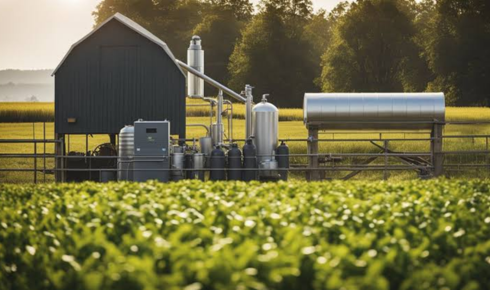
Water does not usually get the spotlight on a farm. People talk about soil, feed, weather, machinery, fencing, seed, fuel prices, and the endless list of jobs that seem to breed overnight. Water is just expected to be there. Flowing cleanly. Filling tanks. Running through pipes. Reaching animals, crops, wash-down areas, and family homes without making a fuss.
But any farmer knows, deep down, water can become the whole story very quickly. A pump failure in summer. A frozen line in winter. Sediment clogging filters. Iron staining troughs. A well that can’t quite keep up during peak demand. Suddenly, that quiet background system becomes the thing everyone is watching.
Reliable water is not a luxury in rural life. It is part of daily survival, productivity, and peace of mind.
Why Farm Water Needs Are Different
A farm does not use water the way a typical home does. The demand is heavier, more spread out, and often less predictable. One part of the property may need water for livestock, another for cleaning equipment, another for irrigation, and another for household use. Sometimes all of those needs overlap on the same day.
That is why farm water systems must be designed with real working conditions in mind. A small residential setup may not be enough when water needs to travel long distances, serve multiple buildings, handle varying pressure, and perform well through changing seasons.
Every property has its own personality, too. Some farms rely on wells. Others use ponds, springs, storage tanks, municipal supply, or a mix of sources. What works beautifully for one farm may be completely wrong for the next one down the road.
Water Quality Can Affect More Than Taste
When people think about water quality, they often think about drinking water first. That matters, of course. But on a farm, water quality can affect equipment, animals, plumbing, crops, and even day-to-day efficiency.
High mineral content can create scale inside pipes, heaters, valves, and watering equipment. Sediment can block filters, nozzles, and trough systems. Iron can leave stains and unpleasant smells. Bacteria concerns may need testing and treatment, especially with private wells or surface water sources.
Poor water does not always announce itself dramatically. Sometimes it shows up as reduced flow, more maintenance, mineral buildup, cloudy water, or animals drinking less than they should. It may look like a small nuisance at first, but small water problems rarely stay small for long.
Rural Properties Need Practical Solutions
Farmers usually do not need fancy promises. They need systems that work in real conditions, with mud, weather, distance, heavy use, and long days involved. Practical matters more than polished.
Good rural water solutions should consider source water quality, flow rate, pressure needs, storage capacity, filtration, seasonal risks, and future expansion. A farm might need a sediment filter at one point, a pressure tank upgrade somewhere else, and a treatment system near the home. Or it may need a full redesign if the current setup has been patched together over many years.
That happens more often than people admit. Farms grow, buildings change use, herds expand, and old water lines keep getting asked to do more than they were ever meant to do.
Livestock Depend on Consistent Water
Animals need clean, available water every day, not just when the system feels like cooperating. Cattle, horses, goats, sheep, poultry, and other livestock all rely on steady access to water for health, digestion, temperature regulation, and general wellbeing.
Good livestock hydration is not only about filling a trough. Water must be easy to access, reasonably clean, and available in enough volume, especially during hot weather or high-demand periods. If water smells bad, tastes odd, freezes, overheats, or runs too slowly, animals may drink less. That can affect feed intake, milk production, weight gain, and overall condition.
A reliable setup helps reduce stress for both the animals and the people caring for them. Nobody wants to haul water by hand because a system failed at the worst possible moment.
Storage and Pressure Matter More Than People Think
Water storage can make a big difference on rural properties. Tanks provide a buffer when wells recover slowly, demand spikes, or equipment needs servicing. They can also help during dry spells or emergencies. The right storage setup depends on the farm’s size, water source, daily demand, and how far water must travel.
Pressure is another detail that often gets overlooked until something stops working properly. Low pressure can make filling tanks slow and frustrating. Too much pressure can stress fittings and equipment. Uneven pressure across different parts of the property can create constant little headaches.
A balanced system feels boring in the best way. Troughs fill. Wash areas work. Filters do their job. Pumps are not constantly overworked. That kind of boring is valuable.
Planning Ahead Saves Trouble Later
A farm water system should not only solve today’s problem. It should leave room for tomorrow. Maybe there will be more animals next year. Maybe a new barn is planned. Maybe irrigation needs will grow. Maybe an old well is showing signs of strain.
Planning ahead can prevent repeated patchwork repairs. It may cost more upfront to design the system properly, but it often saves time, money, and frustration later. Durable lines, proper filtration, accessible shut-off points, protected pumps, and sensible storage can make maintenance easier for years.
And maintenance matters. Filters need changing. Pumps need checking. Tanks need cleaning. Lines need protection from freezing or damage. Farm life is hard on equipment, so ignoring a water system is rarely a good strategy.
Clean Water Keeps the Farm Moving
There is nothing glamorous about a well-planned water system. It does not get admired like a new tractor or discussed like a strong harvest. But when it works, everything else runs smoother. Animals are cared for. Equipment washes down properly. Crops get support. The home has clean water. Daily jobs move along with fewer interruptions.
That is the real value of reliable farm water. It supports the work without demanding attention every hour.
Water may be quiet, but it is never minor. On a farm, it is one of the hidden threads holding everything together. Give it the right planning, the right treatment, and the right care, and it pays back in fewer problems, healthier animals, better efficiency, and calmer days. And honestly, on a working farm, calmer days are worth a lot.