A Roof Is Easy to Ignore—Until It Isn’t
Most homeowners don’t spend much time thinking about their roof. And honestly, that’s understandable. Unlike kitchens or living rooms, a roof isn’t something you interact with every day. It’s simply there, quietly doing its job through scorching summers, heavy rainstorms, freezing temperatures, and everything in between.
But here’s the thing: roofs don’t last forever.
At some point, every homeowner faces a decision about repairs, upgrades, or replacement. The challenge is knowing when a roof has reached the end of its useful life and what steps make the most sense moving forward.
The good news is that understanding a few basics can make the process a lot less intimidating.
The Hidden Role Your Roof Plays
A roof does far more than keep rain out.
It helps regulate indoor temperatures, protects structural components, prevents moisture damage, and contributes significantly to a home’s overall energy efficiency. In many ways, it’s one of the hardest-working parts of any house.
When a roof begins to fail, the effects aren’t always obvious right away. Small leaks can develop behind walls. Moisture can find its way into insulation. Tiny problems slowly grow larger, often without immediate warning signs.
That’s why paying attention to your roof before problems become emergencies is so important.
A little awareness can save a lot of money—and stress—later.
Small Clues Often Tell a Bigger Story
One mistake homeowners commonly make is waiting until water is actively dripping from the ceiling before taking action.
By then, damage may already be widespread.
Instead, watch for subtle indicators. Missing shingles, curling edges, granules accumulating in gutters, dark streaks, water stains in the attic, or unexplained increases in energy bills can all point toward roofing issues.
Sometimes the signs are surprisingly easy to miss.
I once spoke with a homeowner who thought a small ceiling stain was caused by humidity. Months later, a roofing inspection revealed a leak that had been quietly spreading through the attic for nearly a year.
That’s not unusual.
Roofs tend to communicate their problems gradually before reaching a breaking point.
Knowing When Repairs Aren’t Enough
Repairs are often the right solution for isolated damage. A few missing shingles after a storm or a minor flashing issue can usually be corrected without major expense.
However, there comes a point when patching one area after another becomes inefficient.
This is often when homeowners begin considering a full roof replacement. While the upfront investment can feel significant, replacing an aging roof frequently provides better long-term value than repeatedly addressing recurring issues.
A new roof can improve performance, reduce maintenance concerns, and provide peace of mind for years to come.
Sometimes the most economical decision isn’t the cheapest short-term fix.
Understanding Today’s Roofing Options
Modern roofing materials offer far more choices than many people realize.
Homeowners can select from numerous styles, colors, textures, and performance levels depending on their goals and budget. Beyond appearance, today’s roofing systems are engineered to provide enhanced durability, ventilation, weather resistance, and energy efficiency.
It’s no longer just about covering a house.
A properly designed roofing system functions as an integrated protective structure, with components working together to manage moisture, airflow, and temperature fluctuations.
That level of engineering has changed how roofs perform in real-world conditions.
Why Material Selection Matters
Choosing roofing materials isn’t simply about aesthetics.
Climate, maintenance expectations, home design, and long-term ownership plans all influence which products make the most sense. Some homeowners prioritize longevity, while others focus on affordability or visual appeal.
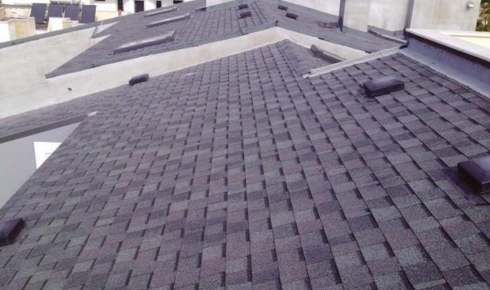
Among the most popular options remain asphalt shingles, largely because they offer a practical balance of cost, durability, and design flexibility. Available in numerous colors and styles, they can complement a wide range of architectural designs while providing dependable protection.
For many families, that combination makes them an attractive choice.
Of course, every home is different, and the best material is ultimately the one that aligns with your specific priorities.
Weather Can Accelerate Roof Aging
Nature isn’t particularly gentle on roofing materials.
Sun exposure gradually breaks down protective surfaces. Wind can loosen shingles. Heavy rainfall tests drainage systems. Snow and ice create additional stress in colder climates.
Even seemingly minor weather events contribute to cumulative wear over time.
A roof that appears fine from ground level may be experiencing aging that only becomes apparent during a professional inspection. That’s why regular evaluations are so valuable, especially for roofs approaching the later stages of their expected lifespan.
Think of it like routine health checkups.
The goal isn’t to find disaster. It’s to catch small concerns before they become major ones.
Energy Efficiency Starts at the Top
Many homeowners focus on windows, insulation, and HVAC systems when trying to reduce energy costs.
Those upgrades matter, but the roof plays a surprisingly important role as well.
Older roofs often allow greater heat transfer, forcing heating and cooling systems to work harder throughout the year. Modern roofing products and ventilation designs can improve thermal performance, helping maintain more consistent indoor temperatures.
The difference isn’t always dramatic overnight.
Instead, it’s one of those gradual improvements that homeowners appreciate month after month.
Comfort becomes more consistent, and utility bills often become easier to manage.
The Value of Professional Inspections
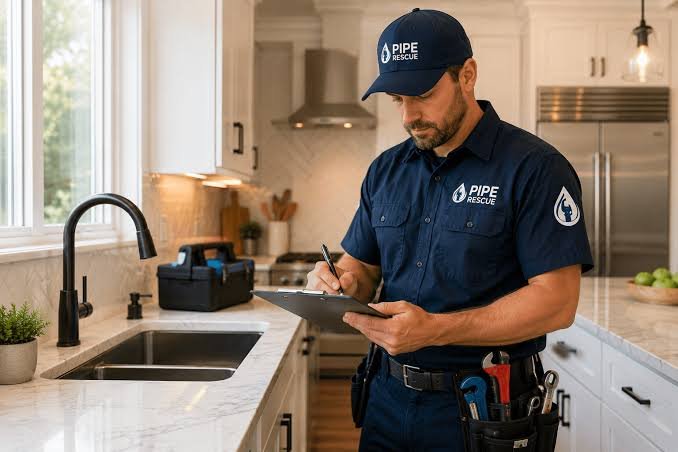
It’s tempting to climb a ladder and evaluate a roof yourself. While basic visual observations can be useful, many roofing issues require trained eyes to identify accurately.
Professional inspectors know what to look for.
They can spot hidden damage, evaluate flashing conditions, assess ventilation performance, and determine whether repairs or replacement make the most sense.
More importantly, they provide objective information.
Making major home improvement decisions based on accurate assessments is always preferable to guessing.
A New Roof Is More Than a Construction Project
For many homeowners, replacing a roof feels like a major milestone.
It’s not necessarily the most exciting renovation compared to a kitchen remodel or outdoor living space. Yet its impact can be just as significant.
A quality roof protects everything beneath it. It safeguards belongings, preserves structural integrity, improves comfort, and supports long-term property value.
That’s a pretty important job.
When approached thoughtfully, roof replacement becomes less about fixing a problem and more about investing in the future of your home.
Looking Ahead With Confidence
Every roof eventually reaches the end of its journey. That’s simply part of homeownership.
The key is recognizing the signs early, understanding your options, and making informed decisions based on the condition of your home rather than waiting for a crisis.
Whether your roof needs minor repairs or a complete replacement, taking action at the right time can prevent costly surprises down the road.
And when you finally hear rain tapping against a strong, dependable roof during a storm, you’ll appreciate just how much protection sits above your head every single day.