There are some household comforts people only notice when they disappear. Warm light in the kitchen on a cold morning. A washing machine that actually finishes the cycle. A shower that doesn’t turn icy halfway through rinsing shampoo. We don’t always stop and appreciate these things, because they are supposed to work. That’s the whole point.
A reliable water heater sits somewhere near the top of that list. It usually stays hidden in a garage, basement, utility room, or closet, doing its job without applause. But the moment it fails, the whole house feels different. Suddenly, normal routines become awkward. Dishes pile up. Showers become rushed. Laundry feels harder. And everyone in the house starts asking the same question: how fast can this be fixed?
Why Water Heating Matters More Than People Think
Most homeowners don’t spend much time thinking about water heaters until there is a leak, a strange noise, or no warm water at all. That’s understandable. These systems are not exactly exciting. They don’t have the visual appeal of a new countertop or fresh flooring. But they support daily life in a very practical way.
From bathing and cleaning to laundry and cooking, heated water touches almost every part of home comfort. A family with kids may use it constantly throughout the day. A couple working long hours may depend on it most in the morning and evening. Even small homes can place steady demand on the system, especially when appliances, showers, and sinks are being used close together.
When the system is properly sized and well maintained, everything feels easy. When it is outdated or struggling, little problems start to show up.
The First Signs Something Is Not Right
Water heater problems often begin quietly. Maybe the shower doesn’t stay warm as long as it used to. Maybe the water takes longer to heat. Maybe you hear popping, rumbling, or banging sounds from the tank. Sometimes the water looks rusty, smells odd, or leaves sediment in the sink.
These signs are easy to brush off. People get used to waiting longer, turning the handle farther, or planning showers around each other. But a water heater that is slowly failing rarely improves on its own. Sediment can collect inside the tank, heating elements can wear down, valves can weaken, and corrosion can develop.
That doesn’t mean every small issue requires a full replacement. Sometimes maintenance or repair is enough. Still, ignoring warning signs can lead to bigger damage later, and nobody wants to discover a leaking tank after it has already soaked the floor.
Comfort Starts with Consistent Hot Water
There is a very simple pleasure in turning on the tap and getting hot water when you expect it. Not lukewarm. Not suddenly cold. Just steady, dependable warmth. It sounds basic, but anyone who has lived with an unreliable system knows how much it affects the mood of a home.
Morning showers become less stressful. Dishwashing is easier. Towels and bedding feel fresher after laundry. Even cleaning greasy pans or sanitizing surfaces feels less like a chore. A good water heating system doesn’t just provide warmth; it gives the household a sense of rhythm.
When warm water runs out too quickly, the issue may be tank size, thermostat settings, mineral buildup, age, or increased household usage. A system that worked fine ten years ago may no longer match the needs of the home today. Families grow, routines change, and appliances become more frequent parts of daily life.
Repair or Replace? The Honest Homeowner Question
This is where many homeowners get stuck. Should they repair the current unit or replace it? The answer depends on several things: the age of the system, repair cost, energy efficiency, water quality, and how often problems are happening.
If the unit is fairly new and the issue is minor, a repair may make perfect sense. But if the heater is old, inefficient, leaking, or breaking down repeatedly, replacement may be the better long-term decision. It can feel expensive upfront, no doubt. But pouring money into an old system again and again can become even more frustrating.
There is also the energy side to consider. Older models may use more energy to heat the same amount of water, especially when sediment buildup forces the system to work harder. A newer, properly selected unit may offer better performance and lower operating stress.
Why Installation Quality Really Matters
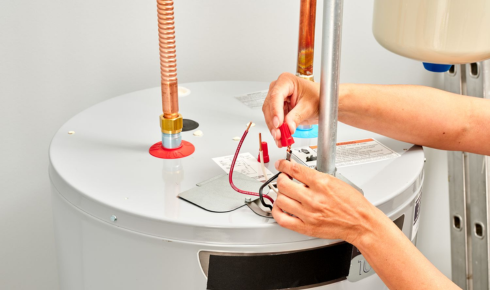
Choosing the right unit is only half the story. Proper water heater installation matters just as much, because even a good system can perform poorly if it is installed incorrectly. Sizing, venting, drainage, pressure relief, fuel connections, electrical work, and local code requirements all need proper attention.
This is not the kind of job where shortcuts are helpful. A rushed or careless installation can lead to leaks, poor efficiency, safety issues, or early system failure. Homeowners should work with qualified professionals who understand both the equipment and the home’s actual water usage.
A good installer will not simply drop in a new unit and leave. They should help confirm the right capacity, explain maintenance basics, check connections, and make sure the system is operating safely before the job is finished.
A Little Maintenance Goes a Long Way
Water heaters do not need constant attention, but they do benefit from periodic care. Flushing the tank, checking the anode rod, testing the pressure relief valve, and watching for leaks can help extend system life. In areas with hard water, maintenance becomes even more important because minerals can build up faster.
Homeowners should also pay attention to water temperature settings. Too low may not provide enough comfort, while too high can waste energy and increase scalding risk. The right balance keeps the home comfortable without overworking the system.
The Bottom Line for a More Comfortable Home
A water heater may not be the most glamorous part of a house, but it is one of the most useful. It supports the routines people rely on every single day — quiet showers, clean dishes, fresh laundry, and simple comfort after a long day.
When the system works well, nobody talks about it. And maybe that’s the best compliment. A dependable water heater should stay in the background, doing its job without drama. But giving it the right attention, choosing wisely when replacement is needed, and making sure installation is done properly can save homeowners from cold surprises later.
In the end, reliable warm water is not just a convenience. It is part of what makes a house feel settled, practical, and easy to live in.