Planning a renovation or construction project is exciting — until you realize just how many moving parts are involved. Permits, subcontractors, timelines, budgets, materials. That’s exactly where a general contractor comes in. Understanding what a general contractor does (and doesn’t do) can save you time, money, and a significant amount of stress before your project even breaks ground.
What Is a General Contractor?
A general contractor (GC) is the professional responsible for overseeing a construction or renovation project from start to finish. They serve as the central point of contact between the property owner, the design team, and every subcontractor involved in the work.
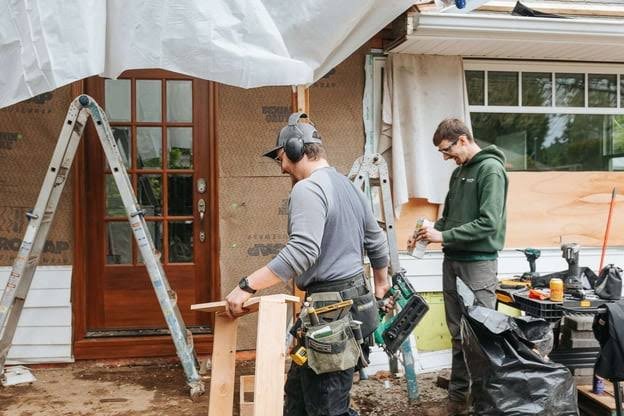
Think of a general contractor as the project manager of your build. They don’t necessarily swing the hammer on every task — but they make sure the right people are doing the right work at the right time, and that the final result meets your expectations, local codes, and agreed-upon standards.
Core Responsibilities of a General ContractorPlanning and Pre-Construction
Before a single wall comes down or a foundation gets poured, there’s significant groundwork to be done. A general contractor handles:
- Reviewing architectural plans and identifying potential issues early
- Estimating project costs accurately and transparently
- Obtaining the necessary building permits and ensuring code compliance
- Creating a realistic project timeline with clear milestones
- Coordinating with architects, engineers, and designers
This pre-construction phase is where experienced contractors earn their keep. Catching a design conflict or a permitting issue before construction begins is far less costly than discovering it halfway through a job.
Hiring and Managing Subcontractors
Most construction projects require a range of specialized trades — electricians, plumbers, HVAC technicians, tile setters, painters, and more. A general contractor sources, vets, and manages all of these subcontractors on your behalf.
This matters more than most homeowners realize. A GC with established relationships in the industry brings trusted tradespeople to your project — professionals who show up, do quality work, and are accountable to someone beyond just you.
Budget Management
One of the most valued functions of a general contractor is keeping the project financially on track. This includes:
- Providing detailed cost estimates before work begins
- Tracking expenses against the approved budget throughout the project
- Managing material purchases and supplier relationships
- Flagging scope changes and their cost implications before proceeding
- Minimizing costly surprises through proactive planning
A well-managed budget isn’t just about spending less — it’s about spending right, with no hidden costs appearing at the end.
Day-to-Day Site Supervision
Once construction begins, the job site needs consistent oversight. A general contractor is responsible for:
- Ensuring subcontractors are on schedule and meeting quality standards
- Resolving day-to-day problems that arise on site
- Maintaining a safe working environment in compliance with regulations
- Keeping the property owner informed with regular progress updates
- Inspecting completed work before moving to the next phase
Without this level of supervision, projects drift — timelines slip, quality suffers, and costs climb.
Quality Control and Final Delivery
As the project nears completion, a general contractor conducts thorough inspections to ensure everything meets the agreed specifications. This includes:
- Walking through completed work with a critical eye
- Coordinating final inspections with local building authorities
- Creating and resolving a punch list of outstanding items
- Ensuring the space is clean and ready for handover
- Providing documentation, warranties, and close-out paperwork
The goal isn’t just a finished project — it’s a finished project that’s done right.
Residential vs. Commercial General Contracting
While the core functions are similar, residential and commercial contracting differ in meaningful ways.
Residential contracting focuses on homes — kitchens, bathrooms, additions, full renovations, and historic restorations. The work is often more personal, with homeowners closely involved in decisions around aesthetics and livability.
Commercial contracting involves office spaces, retail environments, and business facilities. Projects tend to be larger in scale, with stricter regulatory requirements, tighter deadlines, and a greater emphasis on function and workflow.
Working with an experienced residential and commercial contractor means having a team that understands both environments — and can apply the right approach depending on what your project demands.
What a General Contractor Is NOT Responsible For
It’s worth being clear about the boundaries of a GC’s role:
- They are not your interior designer. A GC executes the design — they don’t typically create it. You’ll still need to make decisions about finishes, fixtures, and layout.
- They are not your architect. Structural design and engineering drawings are handled by licensed architects and engineers, not the GC.
- They are not responsible for your indecision. Scope changes, delayed decisions, and late material selections are among the most common causes of project delays and cost overruns — and those originate with the owner, not the contractor.
Understanding these boundaries helps set realistic expectations and creates a smoother working relationship from day one.
When Do You Actually Need a General Contractor?
Not every home project requires a GC. Painting a room or replacing a faucet? You probably don’t need one. But for anything more complex, having a general contractor in your corner is worth every penny.
You should strongly consider hiring a general contractor when:
- Your project involves multiple trades working simultaneously or in sequence
- You need permits pulled and inspections scheduled
- The scope is large enough that managing it yourself would become a part-time job
- You’re working on a historic property that requires specialized knowledge
- You want a single point of accountability for the entire project